Veneto Uncorked: Private Wine Journeys from Venice to Valpolicella, Soave & the Prosecco Hills
Private wine journeys from Venice begin not with a departure, but a gradual shift in register — the stillness of the lagoon giving way to one of Italy's most historically layered and agriculturally expressive regions. Within a short distance of the city, the Veneto reveals a sequence of distinct cultural landscapes: Valpolicella, Soave, and Verona, each shaped by centuries of viticulture, architectural heritage, and evolving craft. This is not a wine route but a continuum of place, where geography and culture remain inseparable.
Valpolicella: Amarone Heritage and the Valley of Cellars

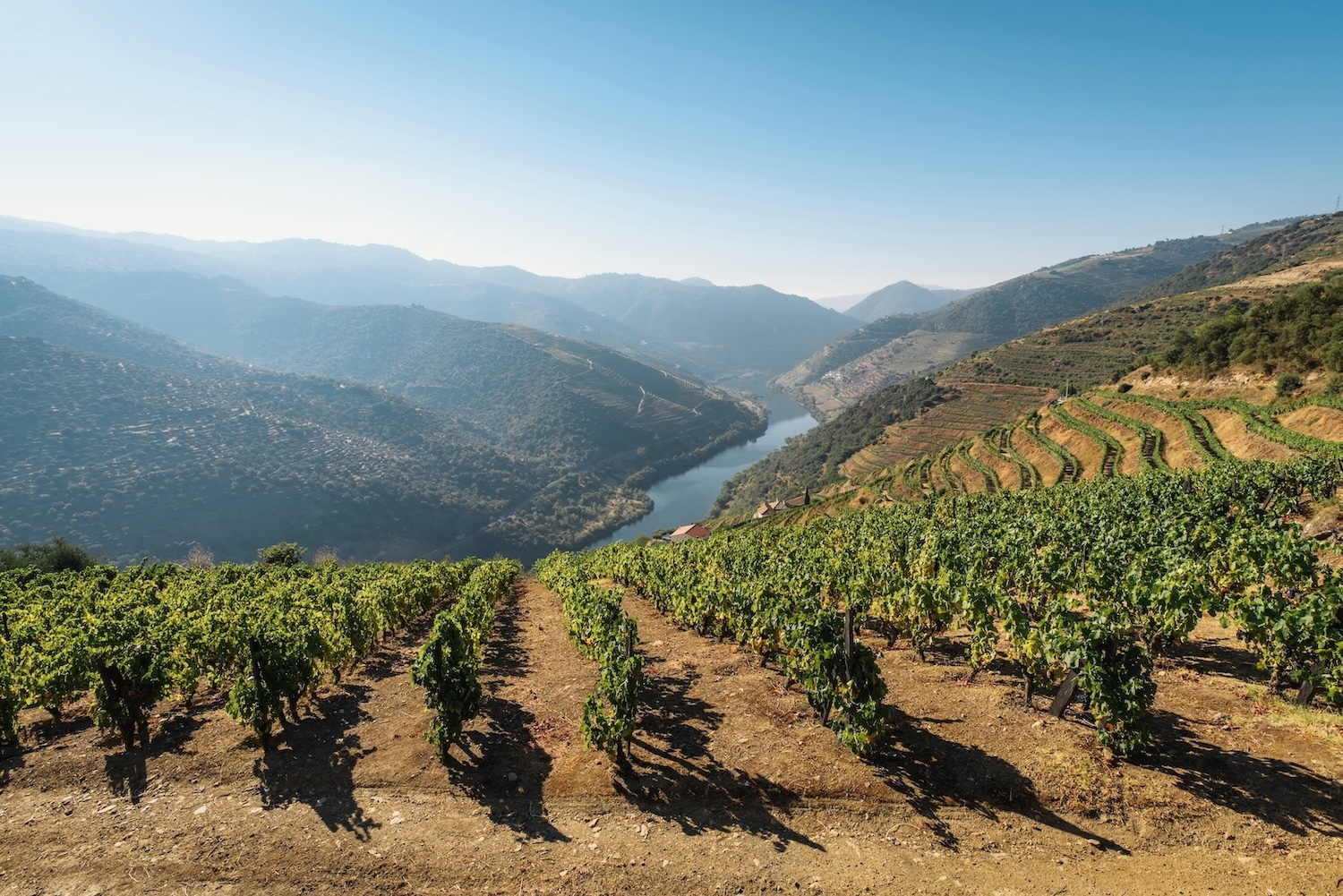
West of Verona, Valpolicella unfolds across rolling vineyard hills, olive groves, and stone villages shaped by uninterrupted agricultural tradition. Viticulture here predates Roman expansion, with evidence tracing cultivation to the Bronze Age, long before formal appellations defined the region.
At its centre lies Amarone della Valpolicella, one of Italy's most structurally complex red wines, produced through the traditional appassimento method — grapes harvested and dried in controlled conditions, concentrating flavour and texture before fermentation. The result is a wine of depth, richness, and remarkable longevity.
Private access reveals a network of estates that define both heritage and innovation. Historic producers such as Allegrini and Tedeschi stand alongside family-run estates including Fumanelli, where production remains closely tied to lineage and land. Experiences include visits to centuries-old cellars carved into limestone and volcanic tuff, followed by structured tastings paired with seasonal cuisine rooted in regional tradition. Sustainability is not incidental here — leading estates have steadily shifted toward organic farming, soil regeneration, and biodiversity preservation, practices that are as much a reflection of identity as they are of environmental responsibility.
Verona: The Interpretive Anchor of the Wine Region

At the centre of the region lies Verona, a city where history is not preserved in isolation but lived through its architecture and streets. Roman amphitheatres, medieval fortifications, and Renaissance palazzi form a continuous urban narrative that reflects centuries of cultural layering.
Private exploration moves through frescoed courtyards, stone passageways, and historic piazzas before reaching the Adige River, where a 2,000-year-old Roman bridge still connects the city's two banks. Verona does not simply border Valpolicella and Soave — it contextualises them, offering the cultural framework through which both regions are best understood.
Soave: Volcanic Elegance and Single-Vineyard Precision

East of Verona, the landscape shifts into the volcanic hills of Soave, where basalt soils and elevated vineyards define one of Veneto's most refined white wine regions. Historically associated with volume production, Soave has undergone a significant transformation toward precision, site expression, and controlled-yield farming — a shift that has materially altered its reputation among collectors and sommeliers alike.
The region is defined by Garganega, a variety that expresses clarity, minerality, and linear structure when grown on volcanic slopes. Pieropan, with its historic vineyards Calvarino and La Rocca, has been instrumental in redefining Soave's qualitative identity. Alongside them, producers including Inama, Suavia, and Gini have expanded the region's stylistic range through single-vineyard expressions, organic farming, and micro-parcel vinification.
Private tastings take place within hillside estates overlooking vineyard amphitheatres and medieval fortifications, where the wines reflect the same precision as the landscape beneath them. As in Valpolicella, the most committed producers here have embraced biodynamic and organic practices not as marketing position but as long-term stewardship of volcanic terroir that took centuries to form.
A Seamless Extension of Venice

These wine regions are not separate destinations but a natural extension of Venice itself. The transition from lagoon to vineyard is immediate and fluid — urban refinement giving way to agricultural landscapes shaped by centuries of cultivation, each with its own architectural character, its own seasonal rhythm, its own relationship to land.
Each journey is privately curated, defined by access, relationships, and a considered understanding of place. What emerges is not wine tourism in any conventional sense, but a refined immersion into a region where culture, landscape, and craft have evolved together across millennia.
Private by nature. Extraordinary by design.
Frequently Asked Questions
What are the best wine regions to visit from Venice on a private day trip? Valpolicella, Soave, Verona, and the Prosecco Hills each offer a distinct expression of the Veneto. Valpolicella is defined by Amarone cellars and centuries of appassimento tradition; Soave by volcanic hillside estates and the structural precision of Garganega; the Prosecco Hills by UNESCO-listed landscapes and family producers in Conegliano and Valdobbiadene. Verona provides the cultural architecture through which both wine regions are best understood.
Can you visit Valpolicella and Soave from Venice in one day? Both regions are accessible within a private full-day itinerary from Venice or Verona. The journey is structured to allow unhurried time at each estate — cellar visits, producer-led tastings, and a vineyard lunch where the season permits — without the compression that characterises conventional wine tourism.
What is included in a private wine journey from Venice? Each itinerary is designed from first principles: private guiding, dedicated vehicle, and direct access to estates that do not operate standard public visits. Tastings are structured and producer-led. Culinary elements — vineyard lunches, estate dining, chef-led pairings — are incorporated where they serve the itinerary rather than as default inclusions.
Are the Prosecco Hills worth visiting from Venice? The hills between Conegliano and Valdobbiadene are among the Veneto's most architecturally compelling wine landscapes — steep, terraced, and listed as a UNESCO World Heritage Site. Private visits move through family-run estates where sparkling wine production remains tied to specific hillside parcels and generational knowledge, distinct in character from the broader Prosecco category.
What wines is Valpolicella known for? Valpolicella produces three wines of note: Valpolicella Classico, Ripasso, and Amarone della Valpolicella. Amarone is the region's most significant expression — produced through appassimento, a drying process that concentrates the harvested grapes before fermentation, yielding a wine of considerable depth, structure, and longevity.
How far are the Veneto wine regions from Venice? Valpolicella and Soave lie between 60 and 90 minutes from Venice by private vehicle. The Prosecco Hills are approximately 90 minutes to two hours depending on the specific area within Conegliano or Valdobbiadene. Journey times are factored into itinerary design so that travel becomes part of the experience rather than a concession to geography.




.jpg)





















-002.jpg)