Snow, Silence and the Table: A Private Winter in the Dolomites
Private Winter Journeys to the Dolomites, Northern Italy — Designed by Sculptured Journeys
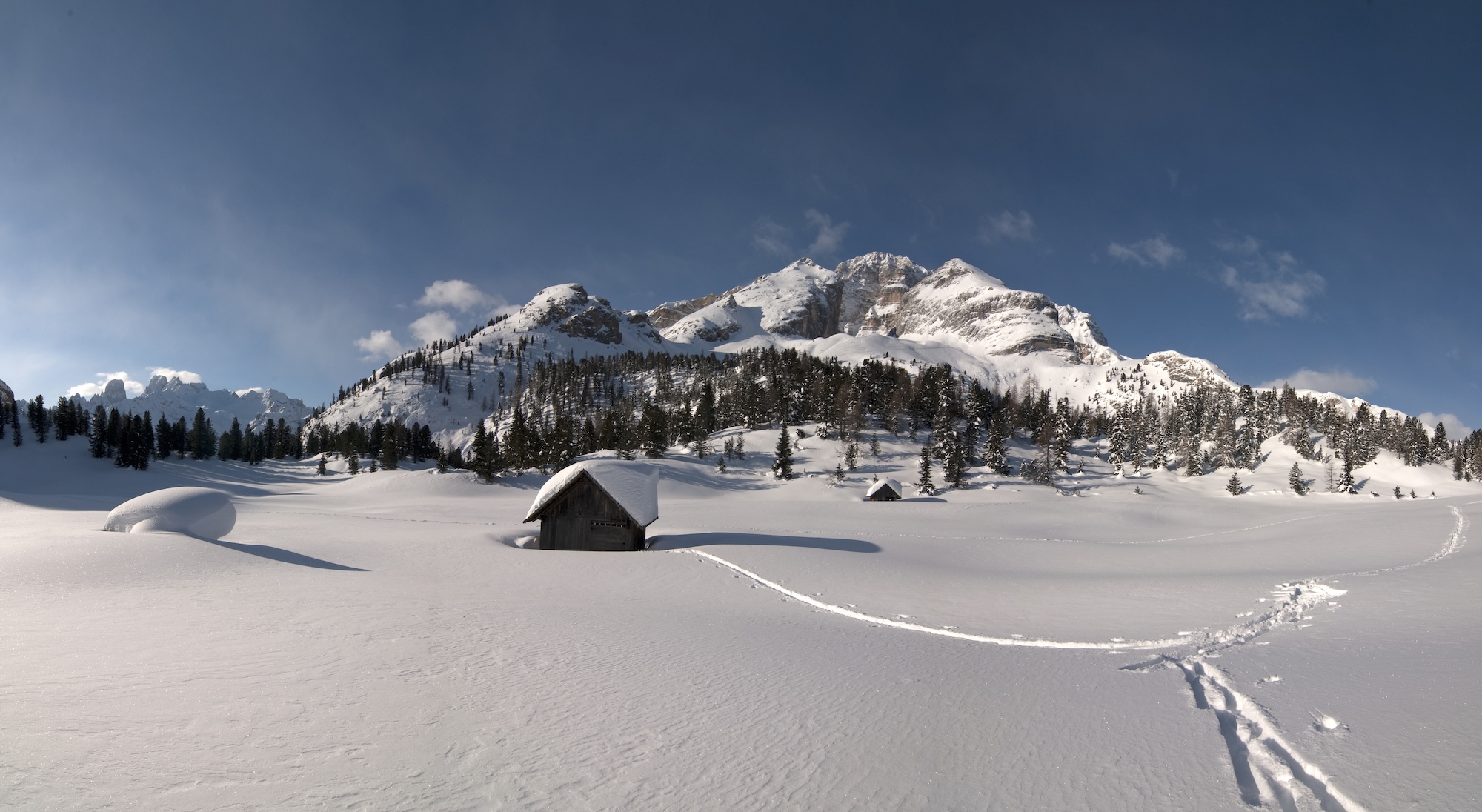
There is a moment, every time, that arrives before it can be named. It comes somewhere between the last valley bend and the first full view of the peaks — before the mind has caught up with what the body already knows. A kind of settling. A calm that was not there a moment ago and now simply is, arriving without asking permission, the way tiredness lifts only once you finally sit down.
Melissa J. Martin, founder and owner of Sculptured Journeys, has returned to these mountains for three winters running, and the same thing happens each time, without warning and without diminishing. It is not the view, exactly — though the view is part of it. It is the particular contradiction the Dolomites hold and never resolve: silence and grandeur, occupying the same space at once, each making the other more complete rather than less. Enclosed by something immeasurably larger than yourself, and somehow freer for it. The ordinary world — the version of it that follows you everywhere else — simply cannot reach you here. It stays behind, somewhere back down the valley, and does not catch up until you leave.
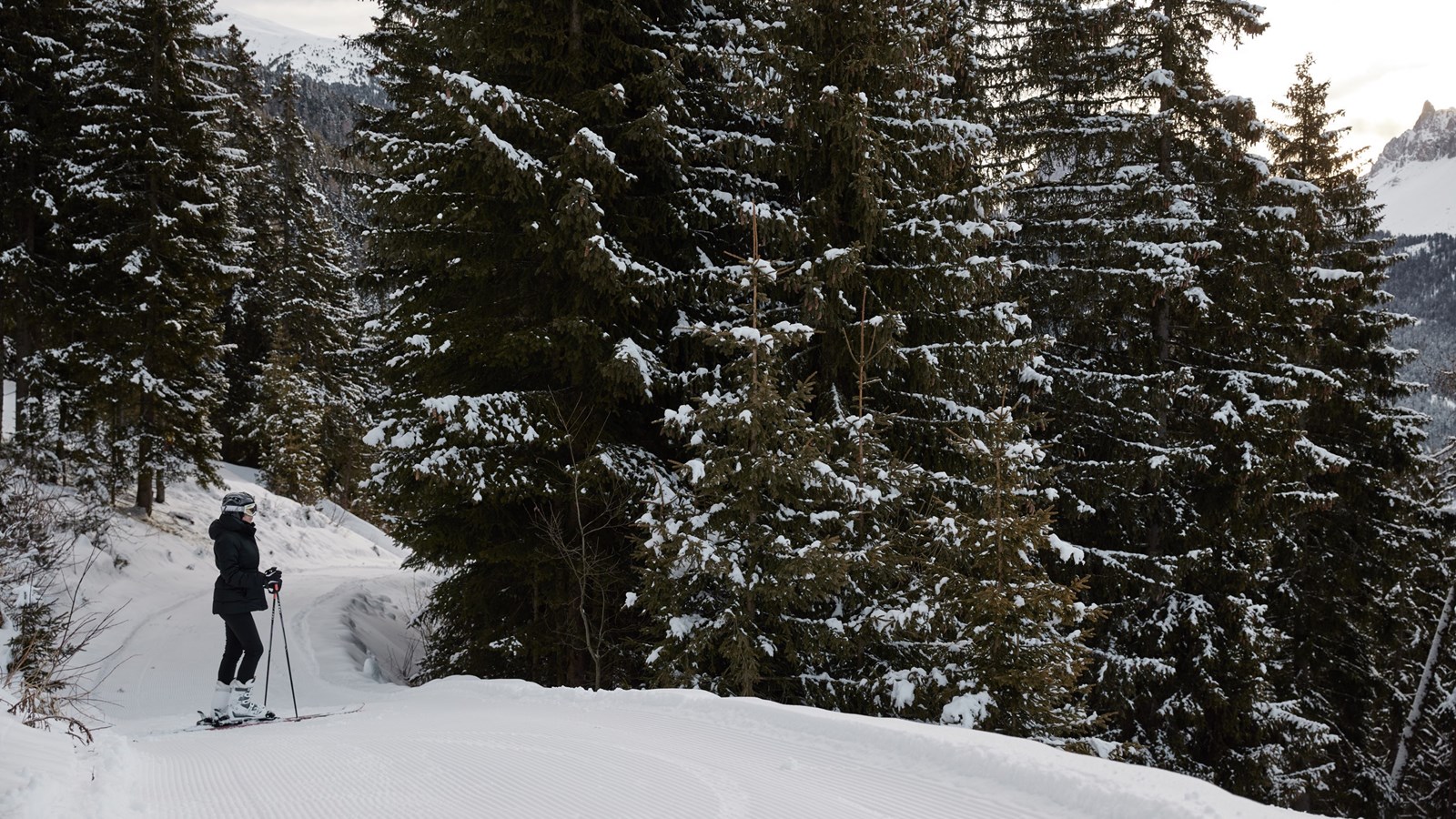
Fresh powder, tasted directly from a glove after a first run. The particular bite of winter air against skin at altitude, sharper and cleaner than air has any right to be. An elevation that is not only physical, though the body registers that too, but something that reaches further than altitude alone can explain — all five senses working at once, in a way daily life rarely asks of them, and somewhere underneath it, an emotion that surprises people by how much it moves them, even in the retelling, sitting somewhere entirely ordinary and finding the feeling has followed them home. This is not a travel experience in the way that phrase usually gets used. It is a transformative human experience that happens, for reasons that resist full explanation, to occur specifically here. We know this because it has happened to us, repeatedly, over years, and it has never once worn thin. We know it will happen to our guests too — not as a promise, but as something we have watched unfold, winter after winter, in people who arrived expecting a ski holiday and left carrying something else entirely.
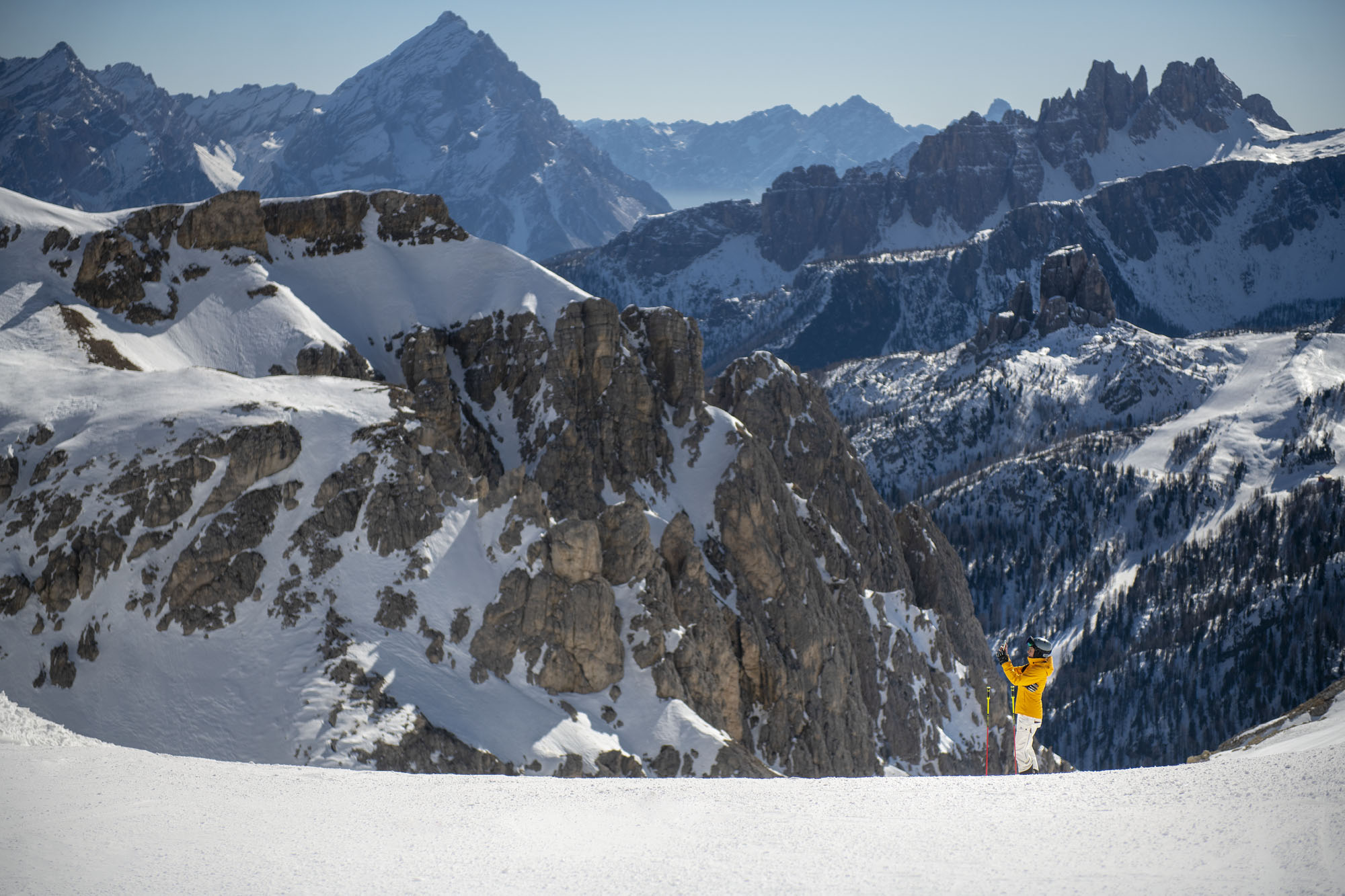
This is what we are actually building when we design a winter journey into the Dolomites. Not an itinerary of pistes and hotel nights, useful as those details are in their place. A feeling — one that has nothing to do with luxury in the way that word is usually meant, and everything to do with restraint: the mountain given room to do what it does, without a single unnecessary flourish placed in its way.
Every Discipline, One Mountain
The range matters, because different people meet a mountain differently, and the feeling arrives regardless of the form it takes. Some guests want the day to begin gently and stay close to the hotel; others want the terrain itself to be the story, skiing across linked valleys from one property to the next while luggage moves privately ahead — a format we have written about at greater length in our story on the Dolomites hotel-to-hotel ski safari, alongside our broader account of the Dolomites as a UNESCO landscape.
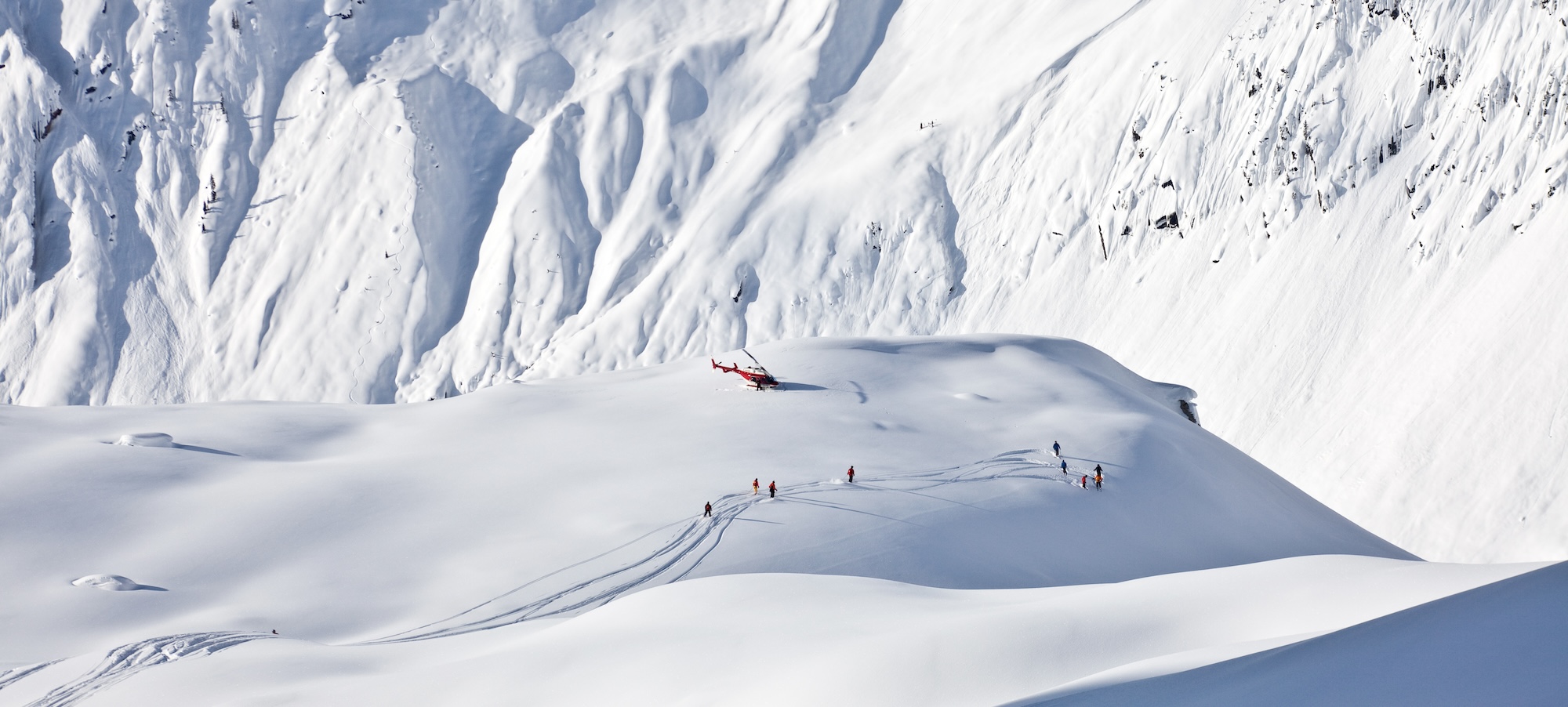
Beyond the groomed circuit, the range rewards those who want to leave it entirely. Off-piste and backcountry skiing moves through some of the most striking terrain in the Alps — couloirs beneath the Sella towers, open bowls above the Fanes plateau — each run assessed against that day's snowpack by a guide who has read this exact terrain for years, not once. For guests who want the range at its most complete, we arrange heli-skiing: a helicopter lift to a summit otherwise unreachable, and a descent through untouched snow with no lift line, no piste marker and no one else's tracks ahead of you. Ski touring extends the same instinct on a quieter register: an ascent earned by skin before the descent, chosen by guests who want the mountain met on its own terms rather than delivered by a lift. For quieter mornings still, the cross-country tracks of the Alpe di Siusi and the Val Pusteria offer some of the finest Nordic terrain in Europe, and snowshoeing opens the high pastures at a pace unhurried enough to notice what is actually around you — often when the feeling arrives most completely.

None of this is composed from a template. A family might ski gently together in the morning while one member joins a guide off-piste in the afternoon; a couple might alternate a touring ascent with a slow cross-country hour before the light changes. The mountain offers all of it. What we do is decide, quietly and in advance, which parts of it belong to this particular group.
The Guides Who Make It Possible
None of it is possible without absolute trust in the person beside you at the top of a run — and that trust has to be earned before it can be felt. Every guide we work with in the Dolomites holds UIAGM/IFMGA certification, the highest qualification recognised anywhere in the profession, requiring years of assessed alpine, ski and rescue training before it is awarded. It is the same standard that governs guiding in Chamonix and Zermatt, and it is non-negotiable in how we build a winter itinerary.
Certification, though, is only the beginning of what we actually select for. The guides we return to are the ones who read a snowpack the way others read weather — who notice, before anyone says anything, that fatigue has quietly shifted the day's risk, and adjust without making a guest feel managed. Many of them have skied these specific valleys for decades. They know which north-facing bowl still holds its snow three days after a storm, and which rifugio will already have the stove lit by the time a cold group arrives. That is not a skill a single season teaches. It is closer to a relationship with the mountain itself.
The Table After the Mountain
The cold does something to appetite that is worth designing around. After a morning that has asked this much of the senses, the table becomes part of the same experience rather than a separate one — and the Alta Badia, in particular, holds a concentration of serious kitchens that surprises most guests arriving from Italy's better-known food regions.
At Gardena Grödnerhof in Ortisei, Anna Stuben carries a Michelin star into 2026, its kitchen built around valley producers — alpine herbs, mountain dairy, local game — so the food tastes unmistakably of where it comes from. At La Perla in Corvara, La Stüa de Michil, led by chef Simone Cantafio, draws in equal measure on Ladin tradition and Italian technique, with a wine programme extending to private cellar tastings. At Ciasa Salares in San Cassiano, a Michelin-starred kitchen sits alongside one of the largest private wine cellars in northern Italy, a dedicated cheese room and a chocolate room — a small hotel, four-star superior on paper, that gives nothing away to properties with a grander rating when it comes to what actually reaches the table.

What fewer guests expect is how good the food is at altitude, away from any formal dining room. Several rifugi serve honest, carefully sourced local cooking — canederli, aged Graukäse from the Val Pusteria dairies, venison from the high valleys — earned by the morning's effort and eaten looking across at the next ridge. We build these stops into ski days on purpose. For many guests, that lunch is remembered as vividly as the run before it. For those with a genuine interest in wine, we arrange private appointments with Alto Adige producers, whose Pinot Blanc, Lagrein and Gewürztraminer take on a precision that this altitude and climate make possible — quiet conversations in cellars, not tourist tastings.
Where We Stay
Quiet luxury, as a principle, is easiest to see in what a hotel chooses not to do. Aman Rosa Alpina sits in the centre of San Cassiano rather than on the mountain itself, and rather than treat that as a compromise, the property has turned it into a small piece of theatre in restraint: a dedicated ski workshop fits every guest with equipment before a private shuttle delivers them directly to the lift, so that the only sensation a guest actually registers is ease. Nothing is asked of you. It simply happens.

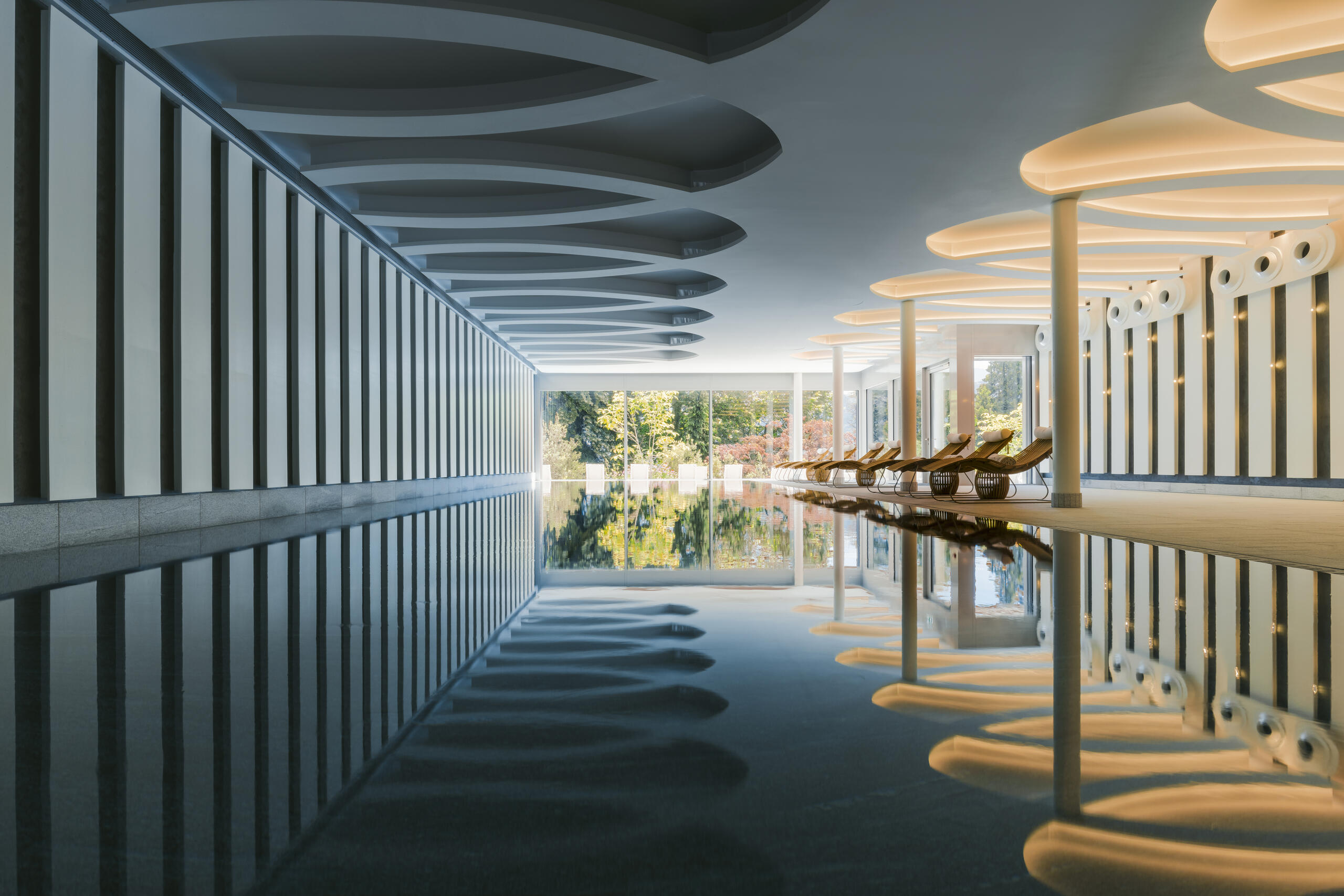
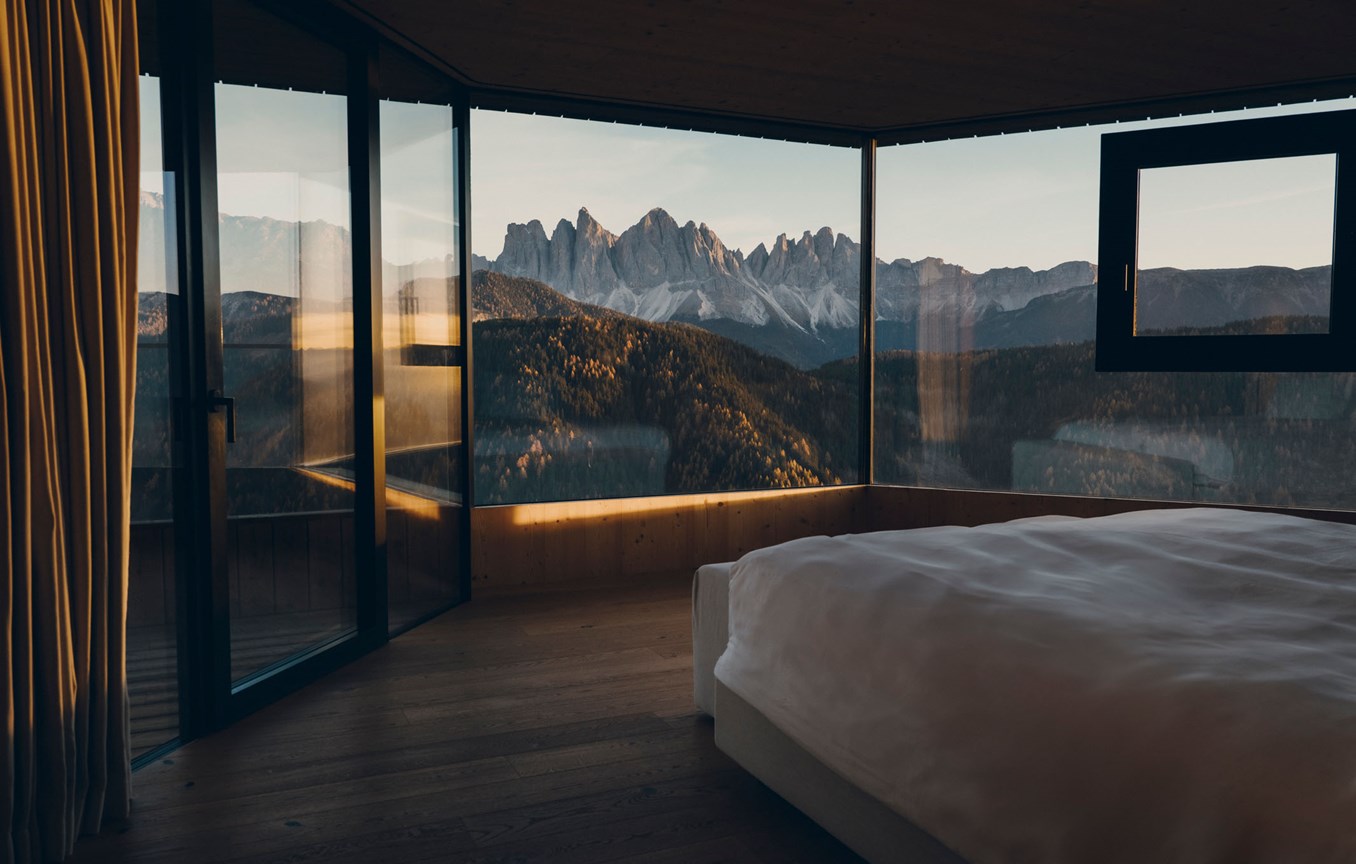
That same restraint runs through the properties we return to across the range. Forestis, at 1,800 metres above Brixen, offers an arrival built around altitude and silence, its own considered take on regional cooking at Forest Cuisine, and a spa that ranks among the most quietly extraordinary in the Alps — pools and treatment spaces built to dissolve the line between interior and mountain. COMO Alpina Dolomites, on the Alpe di Siusi plateau, pairs ski-in, ski-out access with the group's characteristic understatement in design. Gardena Grödnerhof, La Perla and Ciasa Salares each carry a family warmth that comes only from ownership held across generations. At Ciasa Salares in particular, the owners remain genuinely hands-on, present in the day-to-day life of the property rather than a name above the door. Gardena Grödnerhof's spa, in particular, is one our founder returns to specifically for how completely it restores.
Ancora Cortina, newly arrived in the heart of the town, is a property we are watching closely as our own experience of it deepens.
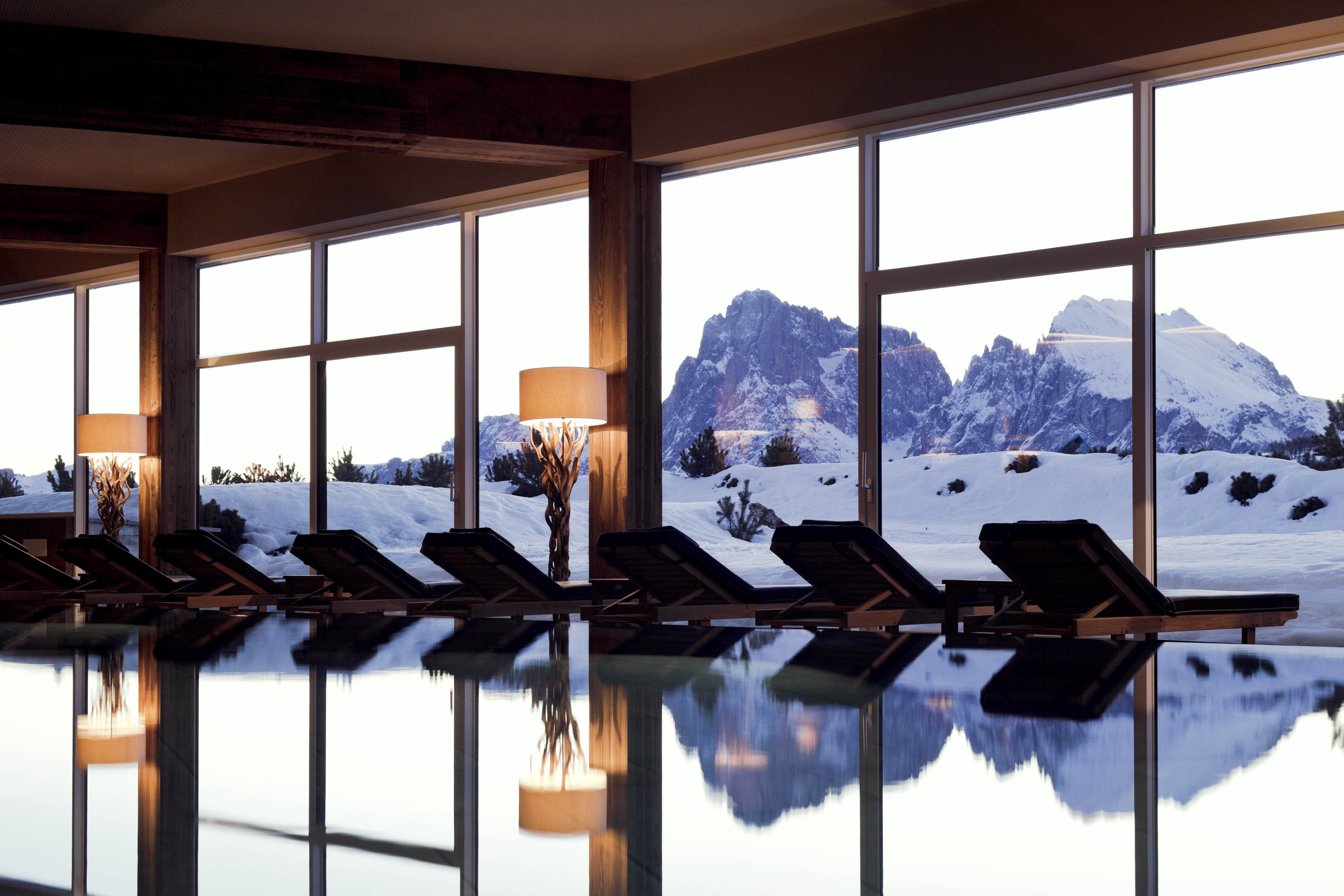
Just outside Cortina's centre in Zuel di Sopra, Rosapetra Spa Resort trades a central address for something quieter: a genuinely exceptional spa, built around an indoor pool and a sequence of treatment spaces that guests describe as some of the most restorative they have found anywhere in the Alps, with a complimentary shuttle running into Cortina whenever the town itself calls. The team there brings a warmth that needs no family history behind it to feel entirely genuine.
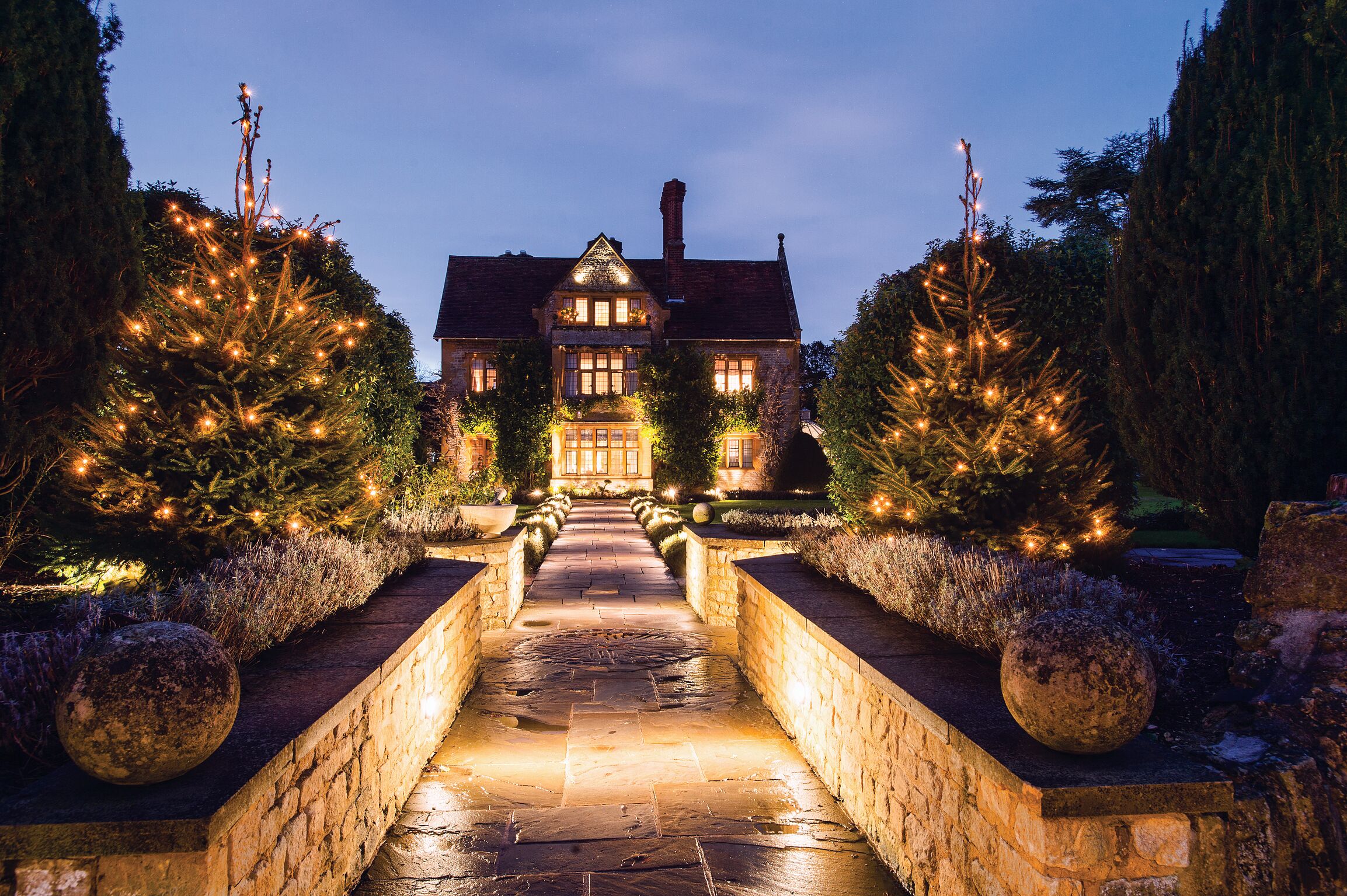
Two of our preferred addresses — Ciasa Salares and Hotel de Len in the centre of Cortina — are classified four-star superior rather than five-star, and we recommend both without qualification. Star ratings measure amenity; they do not measure atmosphere or, in Ciasa Salares' case, the presence of an owner who still walks the floor. Ciasa Salares offers a wine cellar and dining programme that would be remarkable at any classification, and Hotel de Len holds a team whose warmth toward guests is, in its own way, the most luxurious thing on offer — a fuller account of both sits within our story on the finest hotels of Cortina, Alta Badia and Val Gardena. For guests who want to be shown a mountain with real quiet luxury rather than sold a mountain draped in it, both belong firmly in the conversation.
For those who prefer their privacy absolute, we also arrange private chalets across the region, staffed with butlers and in-house chefs where required — a version of the same feeling, experienced entirely alone.
One Winter Arc
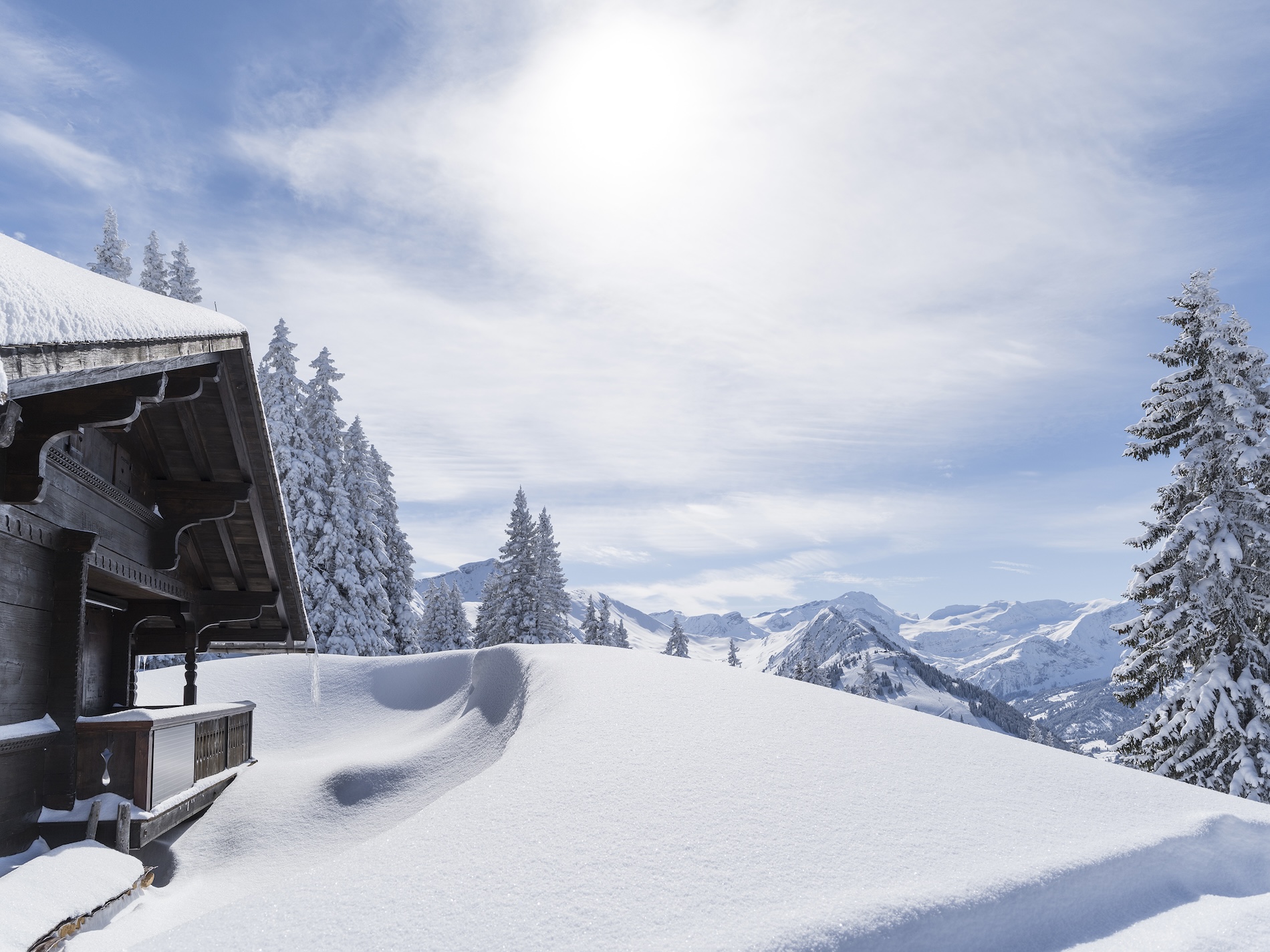
A Dolomites winter, built well, has its own shape — less a checklist of hotels and pistes than an arc a guest moves through without quite noticing until it is over. The first days are for arrival in the fullest sense: the senses recalibrating to altitude and cold, the ordinary world receding by degrees rather than all at once. The middle of the journey is where the mountain is met most directly — the days grow more ambitious, the guide reads more closely, the lunches at altitude start to matter as much as the runs that led to them. And the final days soften again, deliberately: a last unhurried descent, a dinner that lingers longer than the others, the particular quality of light on the Sella group at dusk that guests, almost without exception, mention months later as the moment it all became real.
We build each itinerary to follow this shape, whichever properties and disciplines fill it. The valleys change. The feeling does not.
Your Questions, Answered
What winter disciplines can be combined in a single itinerary?
Hotel-based skiing, on-piste travel across the Dolomiti Superski circuit, off-piste and backcountry skiing, ski touring, cross-country skiing and snowshoeing can all be combined within one bespoke itinerary, calibrated to the ability and interest of each member of the group.
What qualifications do Sculptured Journeys' mountain guides hold?
Every guide we work with in the Dolomites holds UIAGM/IFMGA certification, the highest international qualification in mountain guiding, selected further for depth of local experience and judgment built over years in these specific valleys.
Is off-piste or backcountry skiing suitable for intermediate skiers?
It depends entirely on conditions and ability, which is why every off-piste day is guided and adapted in real time. We ask honestly about experience and design the day, or the itinerary, accordingly.
How is dining incorporated into a ski-focused itinerary?
Dining is built into every ski day, from Michelin-starred hotel restaurants in the evening to rifugio lunches on the mountain and private producer tastings in the Alto Adige, arranged around the itinerary rather than left to chance.
Can a winter itinerary include non-skiing days or activities?
Yes. Snowshoeing, cross-country skiing, spa time and private culinary experiences are commonly built into a Dolomites winter journey alongside downhill and off-piste days, particularly for mixed-ability groups.
Do you arrange heli-skiing in the Dolomites?
Yes. For guests seeking the most complete expression of the range, we arrange private heli-skiing, with a certified guide assessing terrain and conditions for each descent.
Are the spas in the Dolomites worth building time around?
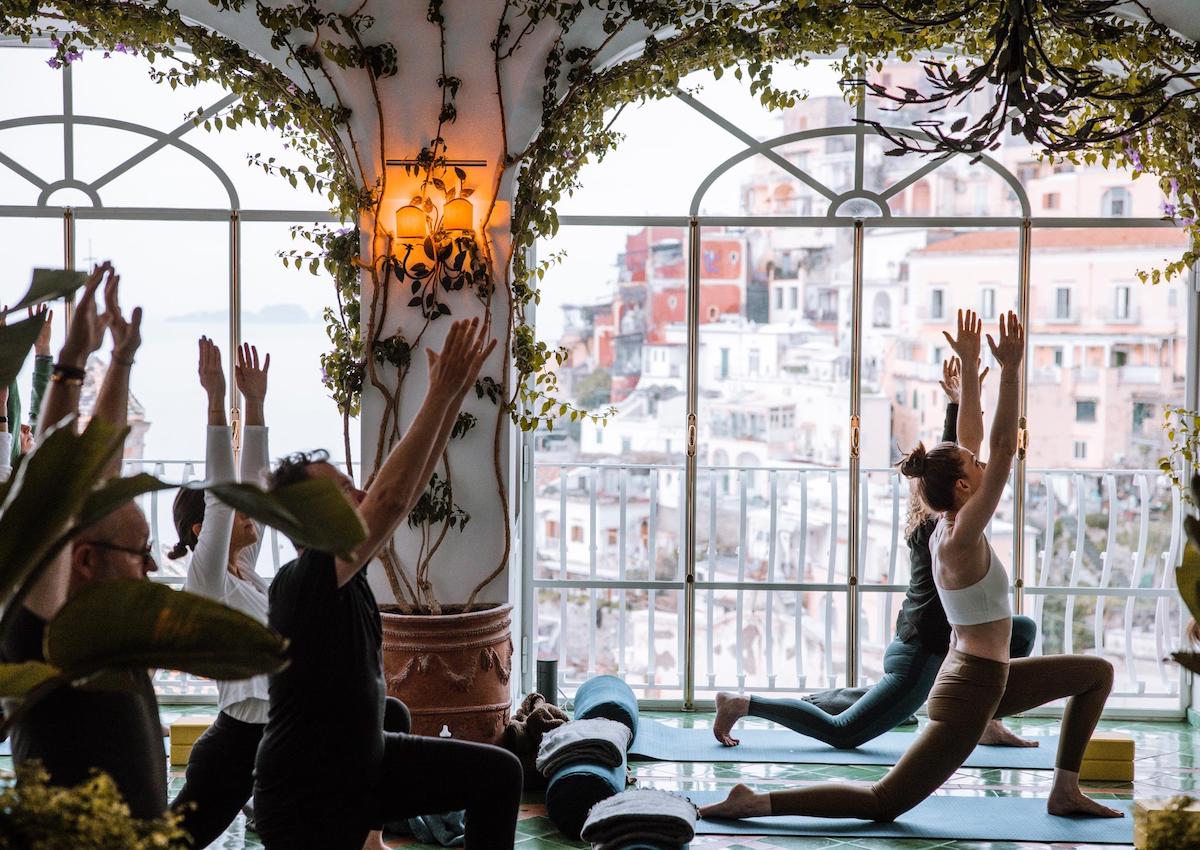
Very much so. Several of the properties we work with, including Forestis, Rosapetra Spa Resort and Gardena Grödnerhof, hold spa and wellness facilities among the finest in the Alps, and we regularly build recovery time around them within a ski-focused itinerary.
Private by nature. Extraordinary by design.




.jpg)




















-002.jpg)