
The Alpine Edge
Heli-Skiing in Switzerland and Backcountry Adventure in the Dolomites
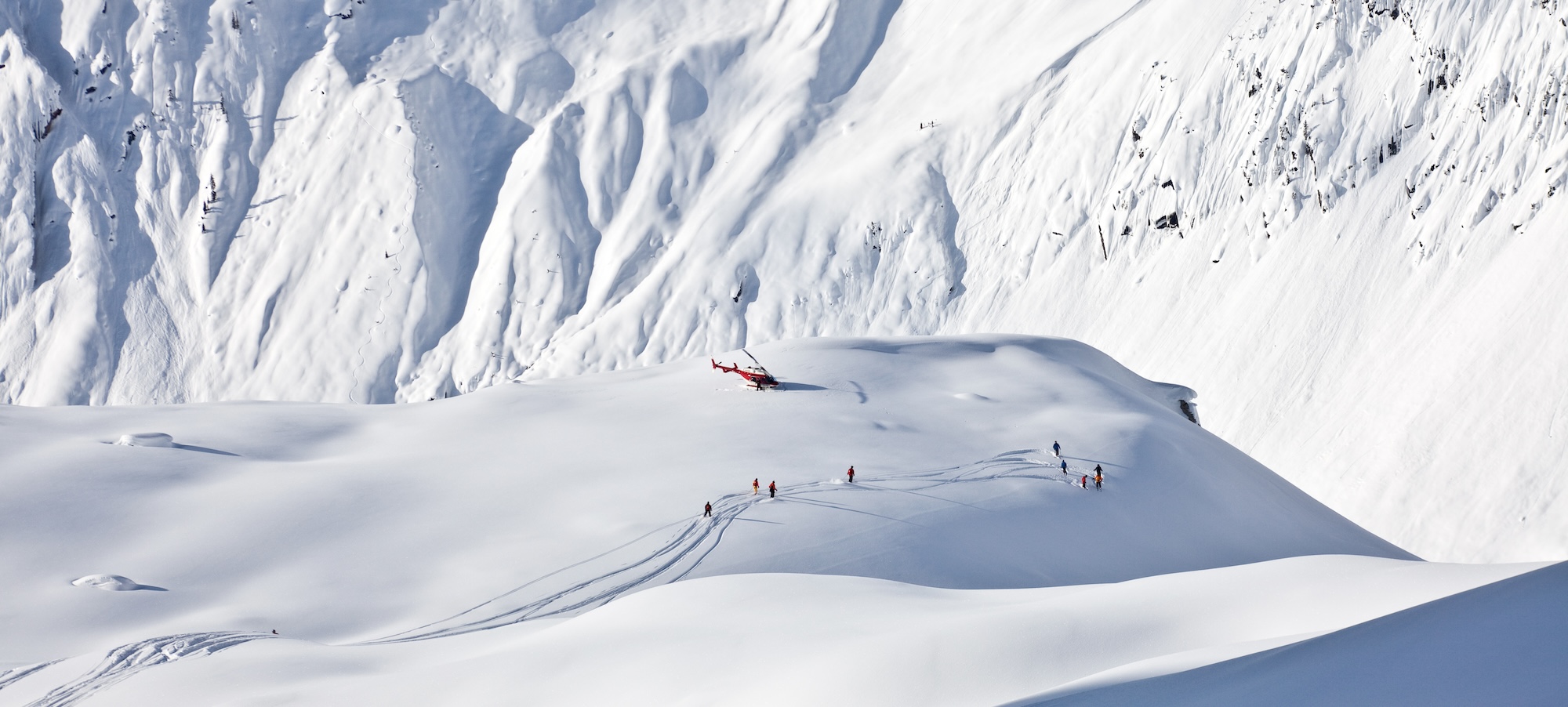
The helicopter lifts away, its sound retreating across the ridge. Then you hear the wind, the movement of your jacket and the click of a binding.
Your guide studies the slope below. Somewhere beyond the first turn, the mountain opens into the descent you have come for.
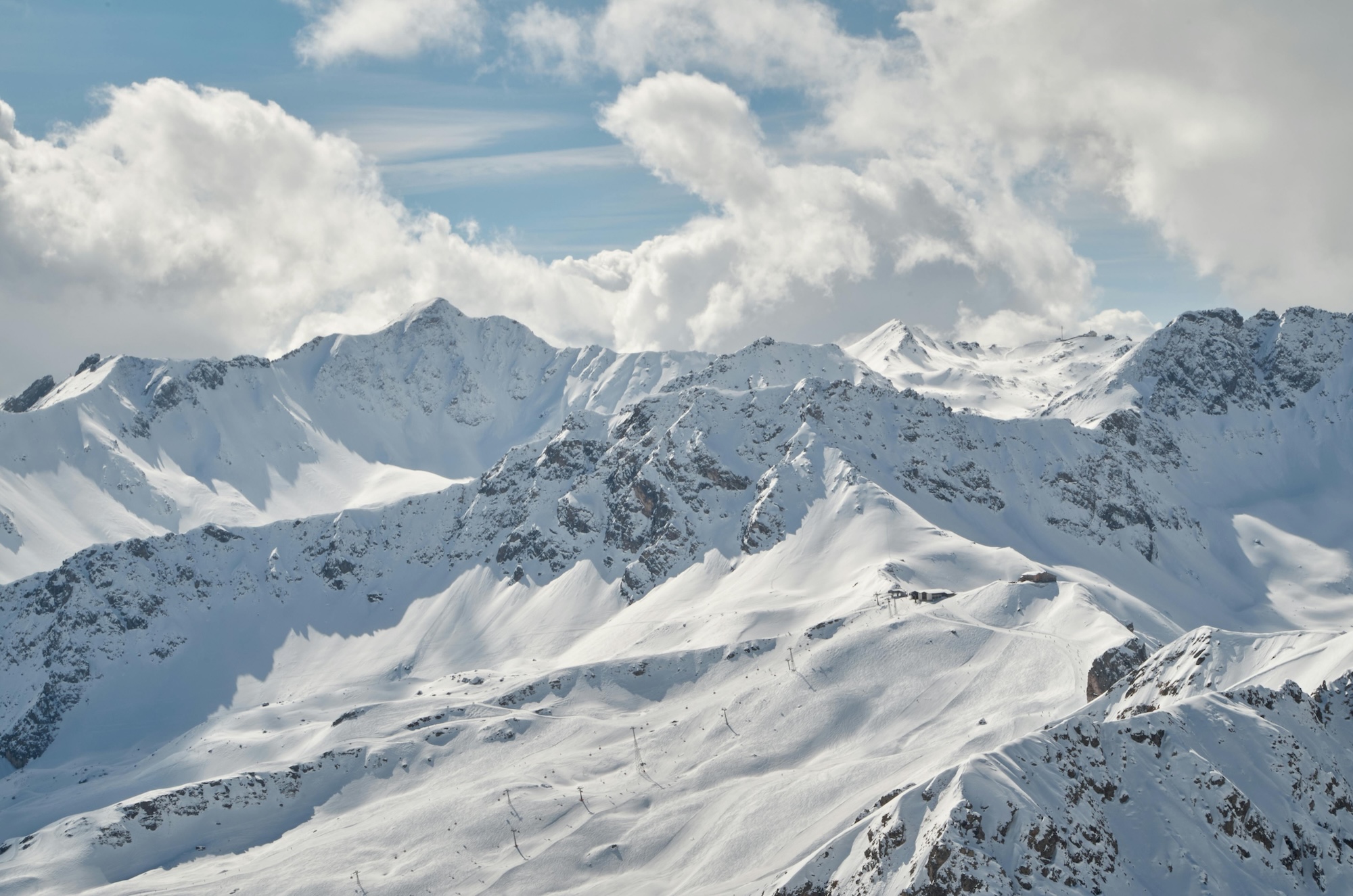
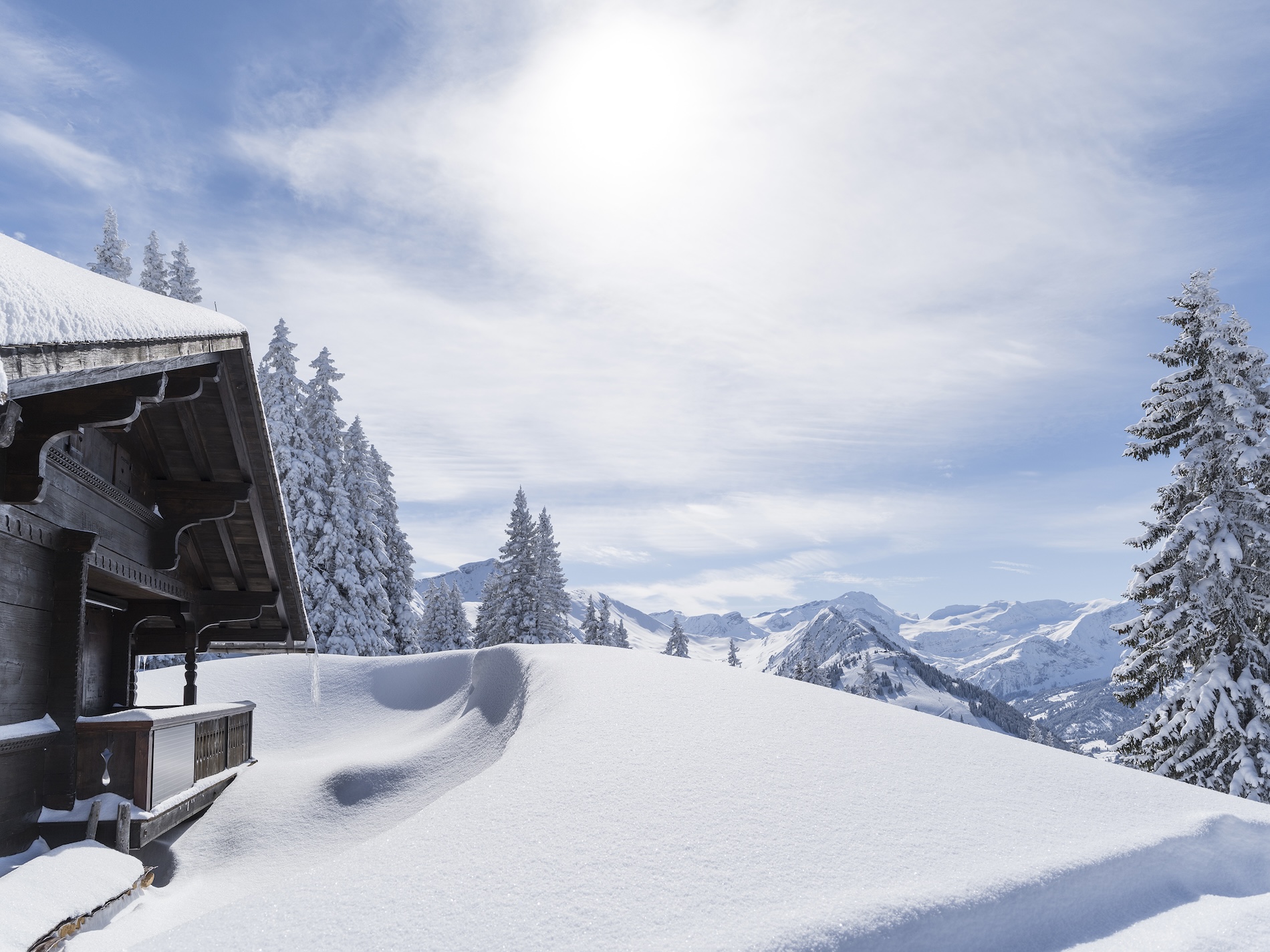
In the Swiss high Alps, helicopter access changes the scale of a ski day. It places you in terrain where glaciers, ridges and long descents replace the familiar sequence of lifts and marked runs. The flight is part of the experience. The skiing gives it meaning.
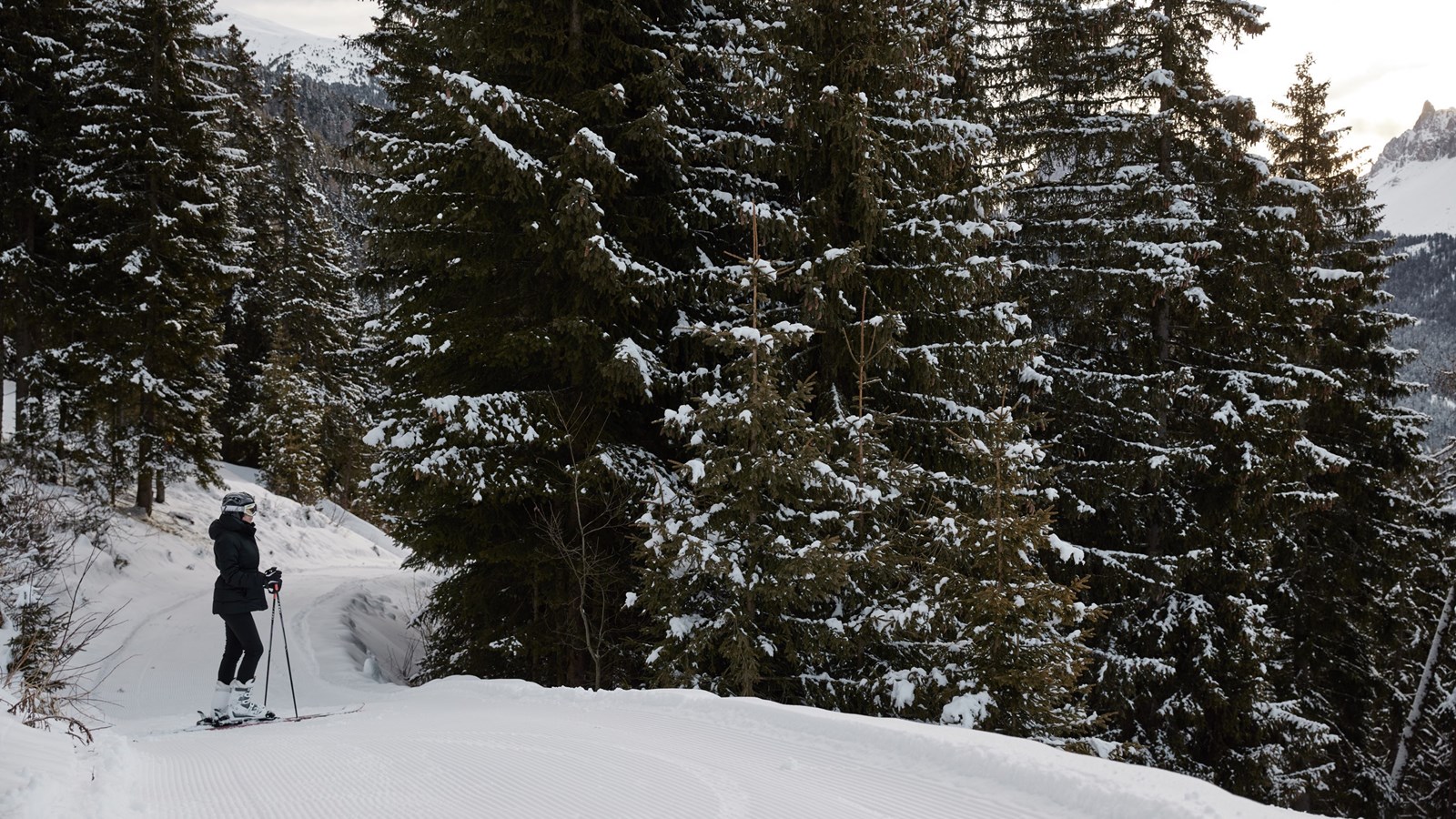
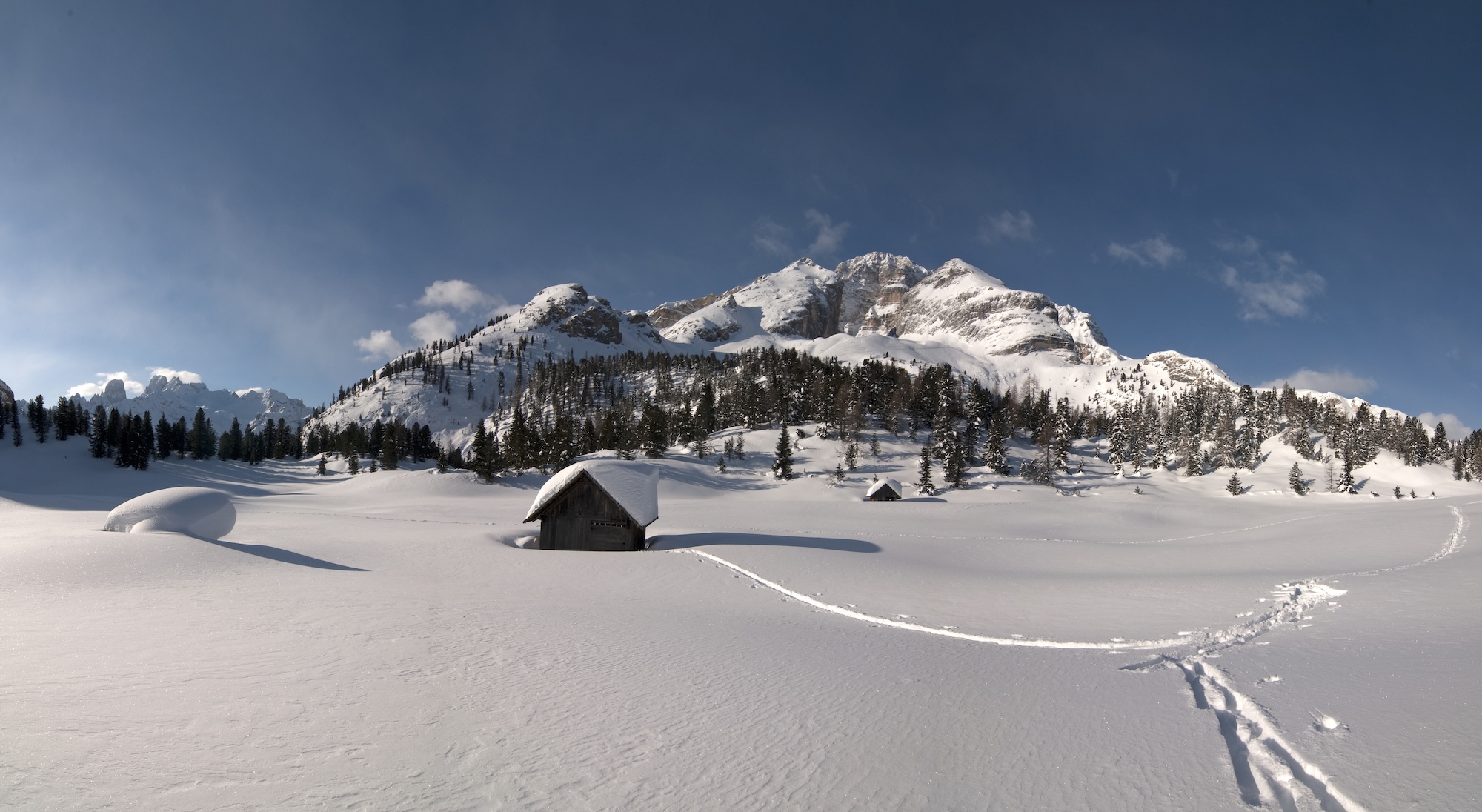
In the Dolomites, the ascent is where the exploration begins. With climbing skins beneath your skis, you move steadily uphill through woodland and into open country beneath pale limestone walls. By the time you reach the descent, you have watched the landscape change around you.
These are two distinct ways to experience the Alps. Each rewards accomplished skiers willing to adapt to the mountains, guided by people whose judgement shapes the day.
SCULPTURED JOURNEYS designs private winter journeys around that relationship: ambitious skiing, carefully chosen places to stay and enough flexibility to follow the conditions.
Switzerland above the pistes
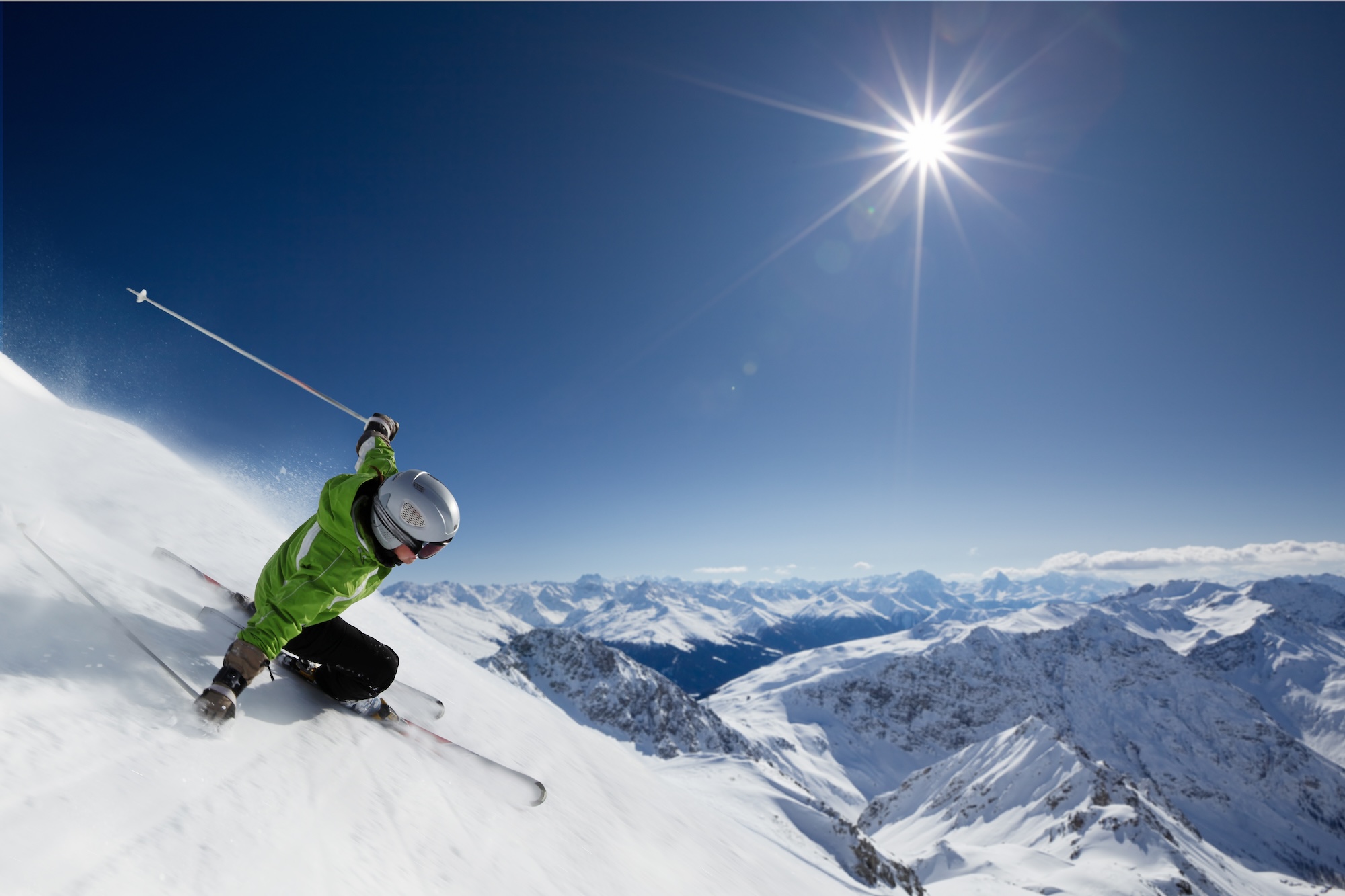
Around Zermatt, the mountains rise towards the Swiss–Italian border in a succession of glaciers and high summits. Monte Rosa gives heli-skiing here an extraordinary sense of scale.
From altitude, the resort feels far away. The descent becomes a journey through the terrain, its course chosen according to the snow, visibility and the experience of the group.
Switzerland permits helicopter landings at designated mountain sites, with restrictions that must be considered for each excursion. A landing site's approval does not guarantee that a particular descent is suitable on the day. The pilot and mountain guide assess the possibilities together.
That is why flexibility matters. A clear morning may provide the opportunity to fly; another day may be better spent exploring with a guide closer to the resort. A thoughtfully planned stay leaves room for both.
Back in Zermatt, the choice of hotel gives the week its rhythm. The Omnia offers contemporary mountain-lodge character above the village. Mont Cervin Palace places guests in the heart of town, within the established traditions of a Swiss grand hotel. The decision is as much about how you want to spend the evenings as how you intend to ski.
Verbier brings a different energy. Its extensive mountain terrain and lively village make it a compelling base for guests who want guided skiing alongside the possibility of helicopter access when conditions permit.
Here, our dedicated mountain guides begin with the guests themselves: their confidence in variable snow, their fitness and the terrain they most enjoy. The route follows from that understanding.
Chalet d'Adrien offers a boutique alpine setting above the village, with mountain views and space to settle into the week. W Verbier suits guests drawn to contemporary design, convenient lift access and a more animated après-ski atmosphere.
The Engadin and Gstaad offer further possibilities, each requiring its own approach to mountain access and guiding.
In St Moritz, Badrutt’s Palace brings the atmosphere of a historic grand hotel overlooking the lake. Evenings might begin in Le Grand Hall or continue over dinner at Chesa Veglia, the seventeenth-century farmhouse across the road. It gives the Engadin chapter a base worth lingering in, well beyond a single excursion.
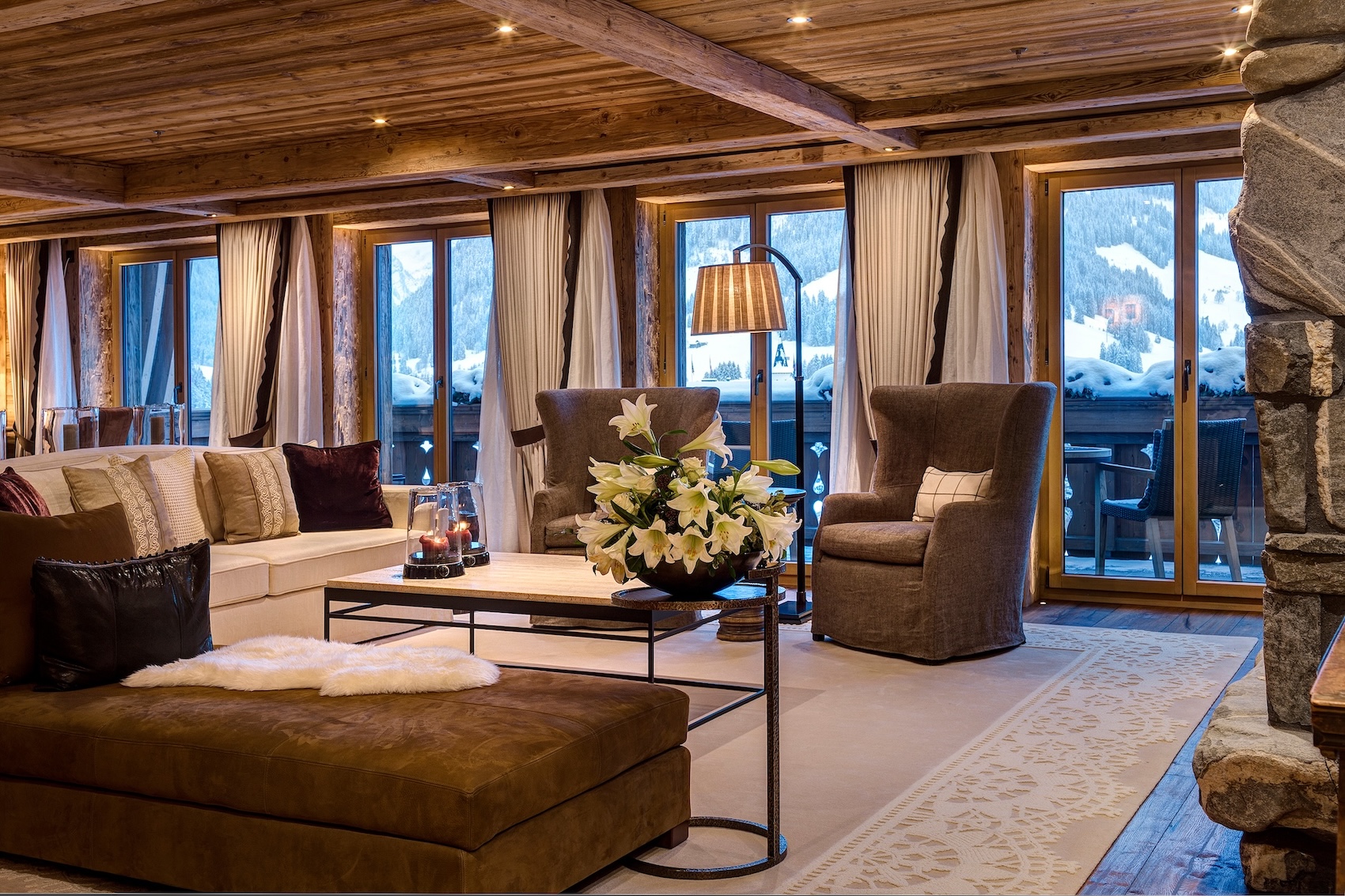
Gstaad invites a gentler pace between active days. The Alpina Gstaad combines contemporary alpine craftsmanship with a Six Senses Spa; Gstaad Palace brings the character and traditions of a historic family-owned hotel. Either can anchor a stay that allows time for the village, its restaurants and the surrounding mountains.
These destinations need not all appear in one itinerary. Choosing fewer bases, and spending longer in each, gives the journey room to develop.
The Dolomites under your own power
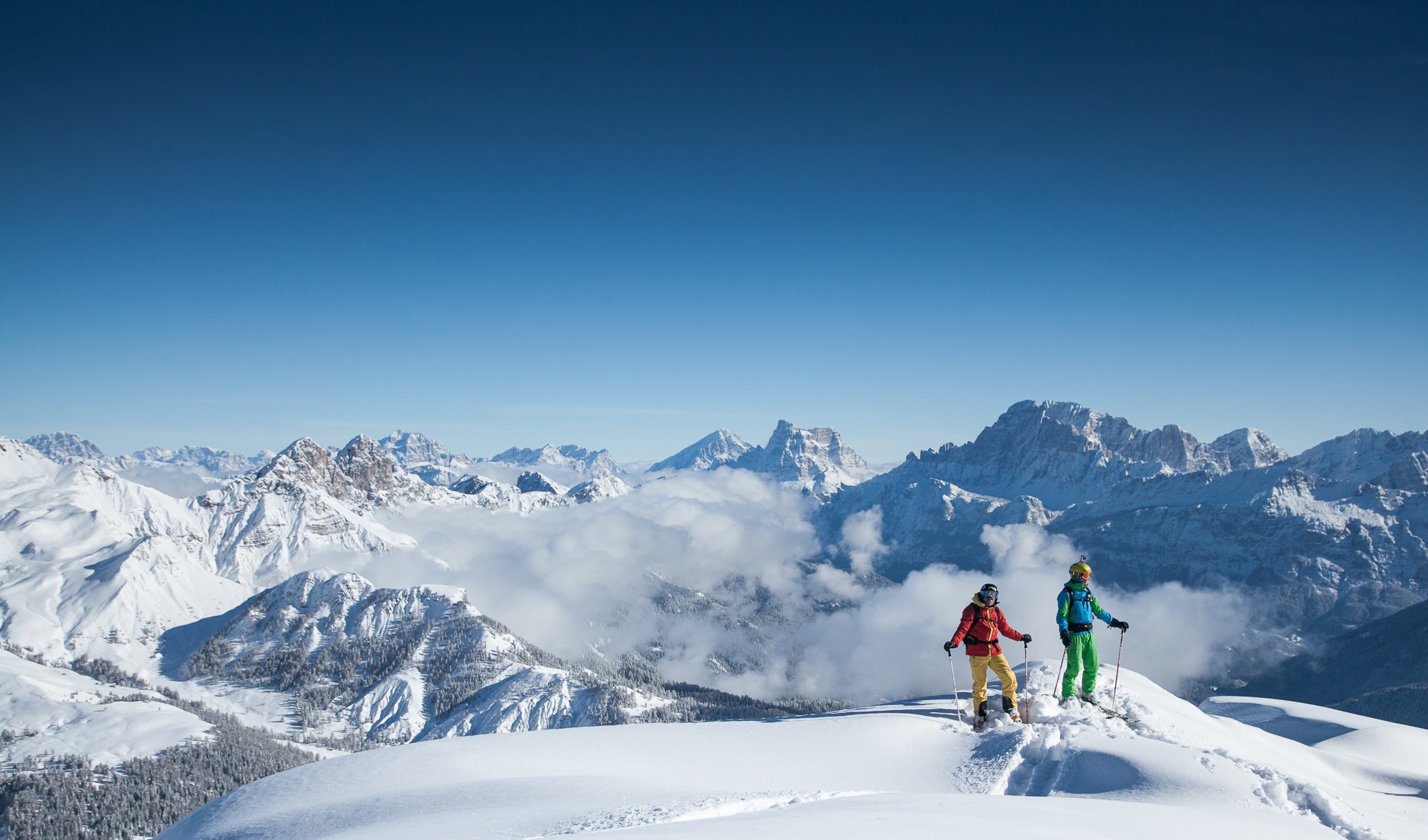
In the Dolomites, pale rock towers rise above forests, villages and broad uplands. Around Cortina d'Ampezzo and Alta Badia, the lift networks provide extensive resort skiing, while guided excursions reveal terrain beyond the marked pistes.
Off-piste skiing and ski touring offer different experiences. Some descents begin from a lift. Touring involves climbing on skis, with skins providing traction and the route demanding sustained effort.
For those who enjoy the ascent, that effort becomes part of the pleasure. The group finds a steady pace. Trees thin out. A ridge that appeared distant from the valley draws gradually closer. Stops offer time to look back across the ground already covered.
In the Fanes-Sennes-Braies area, suitable winter routes can bring skiers into a protected landscape of uplands, valleys and limestone walls. Access and conservation requirements sit alongside snow and weather in the planning.
Our UIAGM/IFMGA qualified Professional Mountain Guides read the route, the snow and the rhythm of the group as the day unfolds. Their qualification stands as the world's highest in climbing, mountaineering and ski mountaineering, and that depth of expertise shapes every decision on the mountain. Some mornings invite a longer tour; others favour a shorter objective, a different aspect or a change of activity.
Alongside them, our UIMLA qualified Professional Mountain Leaders take guests snowshoeing, hiking, trekking and trail running, while our Certified Bike Guides lead road, mountain and e-bike rides in the warmer months. Together, the UIAGM/IFMGA and UIMLA qualifications form the two mountain credentials recognised internationally.

That adaptability also makes the Dolomites attractive to groups with different interests. A stay can combine resort skiing and touring with snowshoeing, cross-country skiing and time in the villages. Everyone need not follow the same programme every day.
The Dolomites also reward time and range. The UNESCO World Heritage Site extends across five provinces of northern Italy, and the Dolomiti Superski network alone links around 1,200 kilometres of pistes across twelve ski areas. Each valley carries its own character: the social elegance of Cortina, the Ladin villages of Alta Badia and Val Gardena, the open plateau of the Alpe di Siusi and the forested slopes above Bressanone. A single winter stay can explore one valley in depth or move between two, and the region always holds more to return to.
In Alta Badia and Val Gardena, Ladin culture gives the journey a particular identity. Language, cooking and local hospitality connect time on the mountain with life in the valleys. Leaving room for lunch and an unhurried evening helps that character emerge.
Waking at altitude
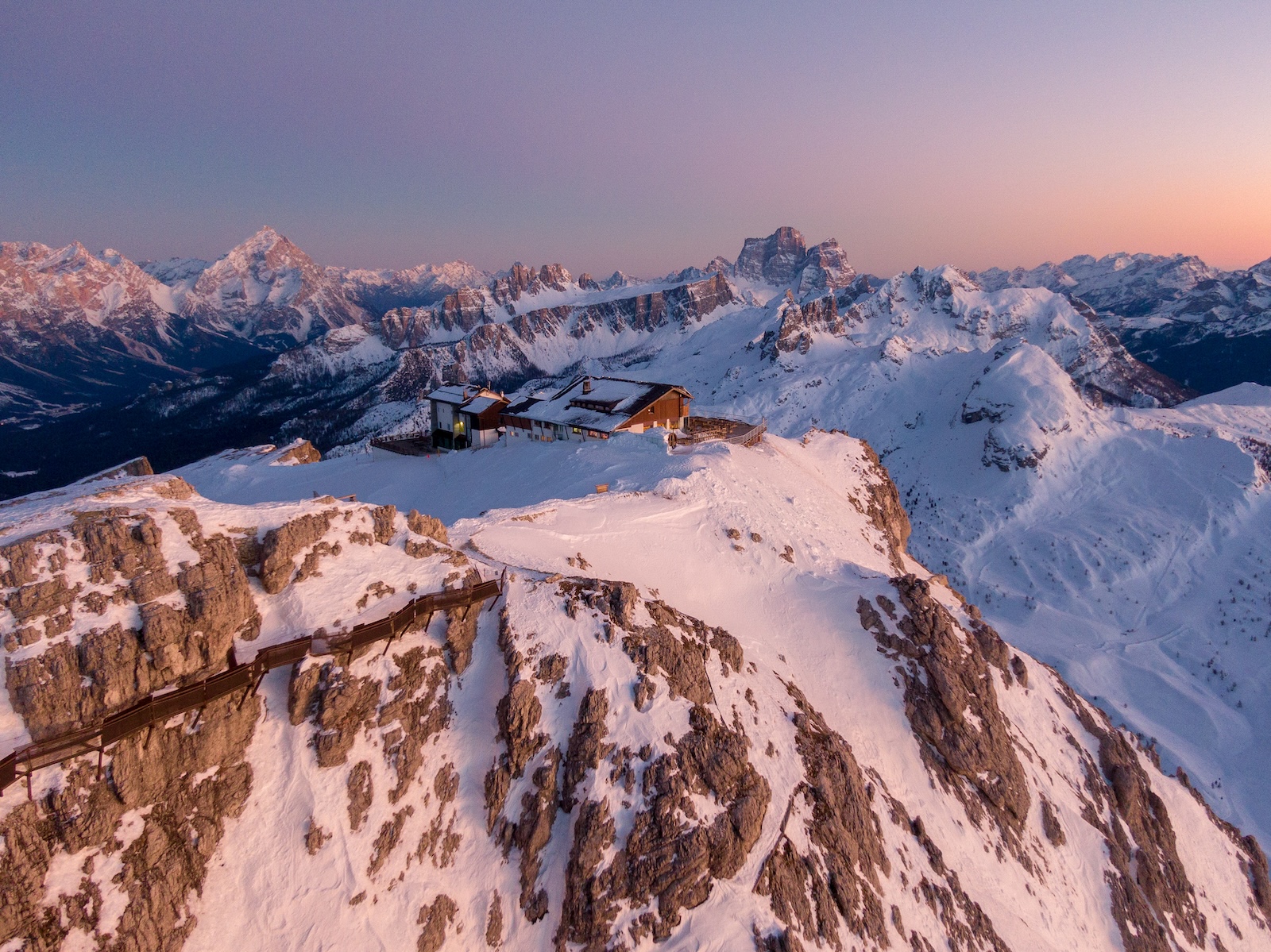
A night in a rifugio can become the defining moment of the Dolomites journey.
Where winter opening, access and conditions allow, staying in a rifugio means remaining above the valley after the day's skiing. Dinner is followed by an evening with fewer distractions. Morning begins already in the landscape you have travelled to experience.
Some rifugi offer private rooms, although these are limited and require advance planning. A private room may still come with shared bathroom facilities and the practical simplicity of a working mountain hut. The accommodation should be understood before arrival.
Its appeal is immediate: stepping outside at first light, seeing the route ahead and setting off without first travelling up from the village.
Placed between nights in a comfortable hotel, the rifugio stay gives the journey a different rhythm. The valley provides ease and recovery. The night at altitude provides time in the mountains that a day excursion cannot.
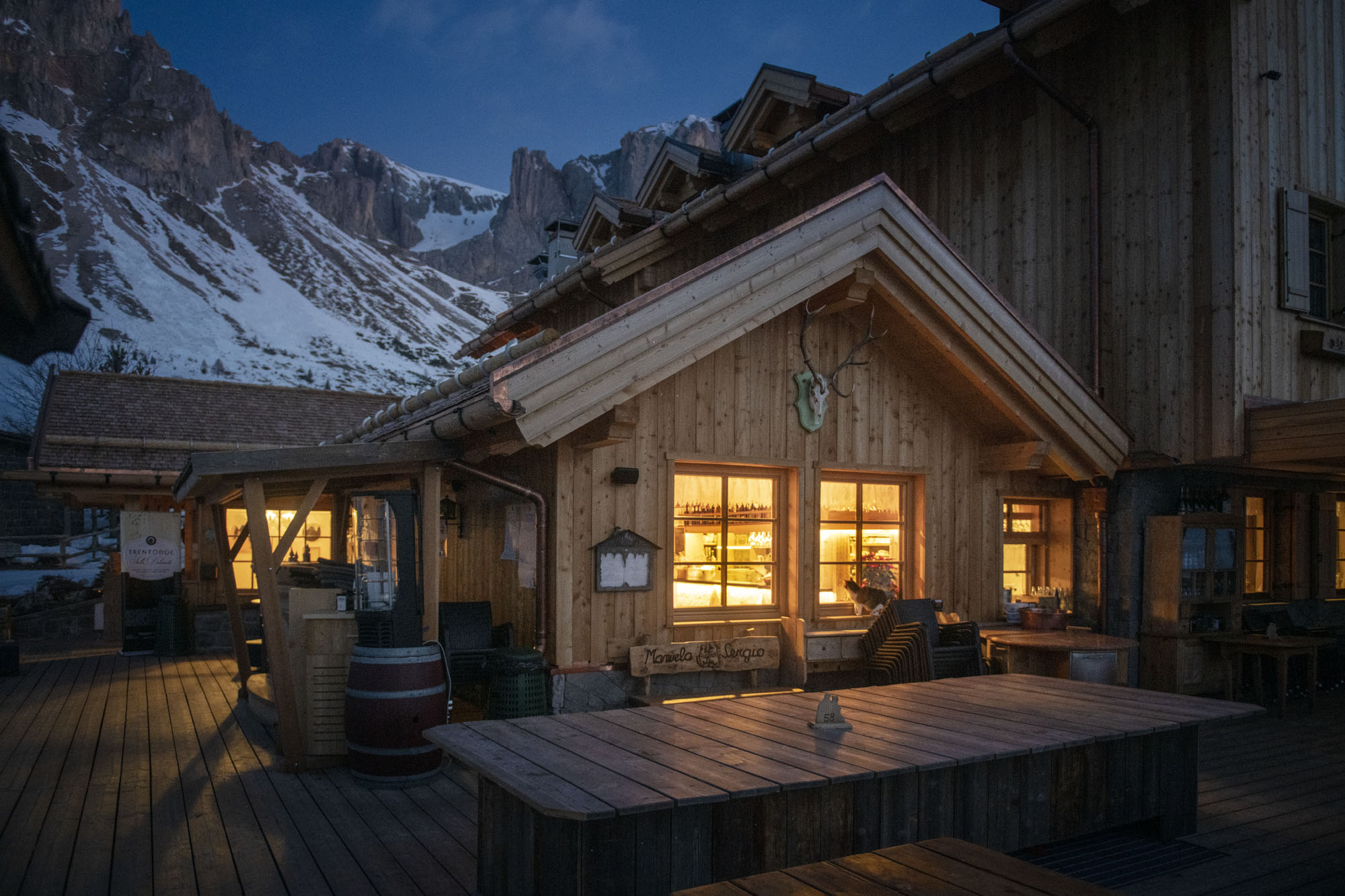
A timber mountain chalet with warmly lit windows on a wooden terrace at dusk, jagged snow-dusted peaks rising behind against a darkening sky.
A base with a sense of place
The Dolomites' finest hotels offer different ways to settle into the region. Their location should follow the intended skiing rather than force transfers that compress the days.
In San Cassiano, Aman Rosa Alpina brings contemporary alpine interiors, spacious accommodation and an extensive spa into the historic village. It is a strong base for a journey centred on Alta Badia, with time for both guided mountain days and quieter afternoons.
In Ortisei, Gardena Grödnerhof combines established hospitality, dining and a substantial spa with the life of a Val Gardena village.
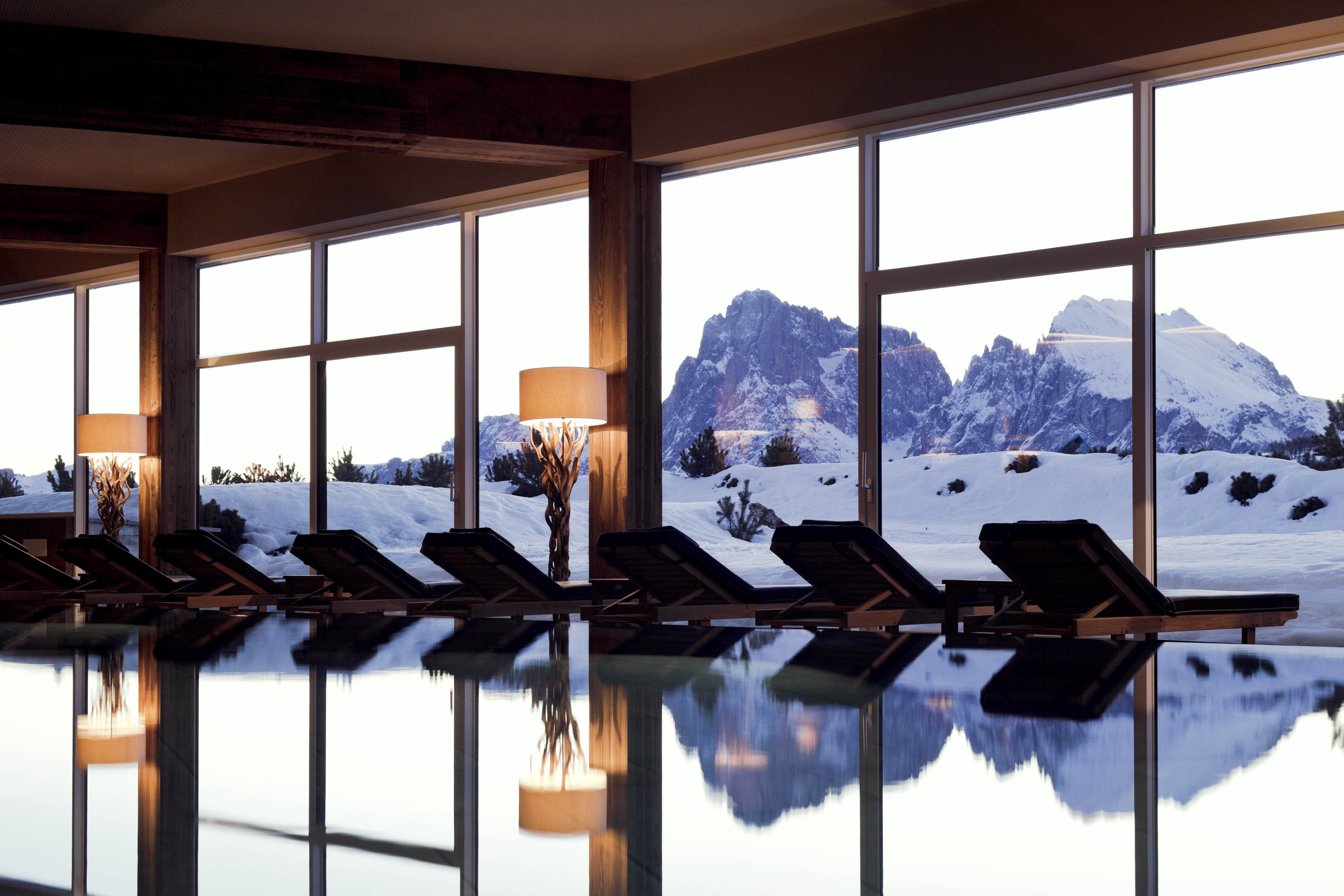
For a stay directly on the Alpe di Siusi plateau, COMO Alpina Dolomites places skiing, snowshoeing and cross-country trails close at hand. The setting gives the landscape a presence throughout the day.
Cortina offers another choice. Ancora Cortina, on Corso Italia, brings the town's restaurants, shops and social life to the doorstep. Rosapetra Spa Resort, outside the centre, provides a quieter setting for guests who want to retreat after a day outdoors.
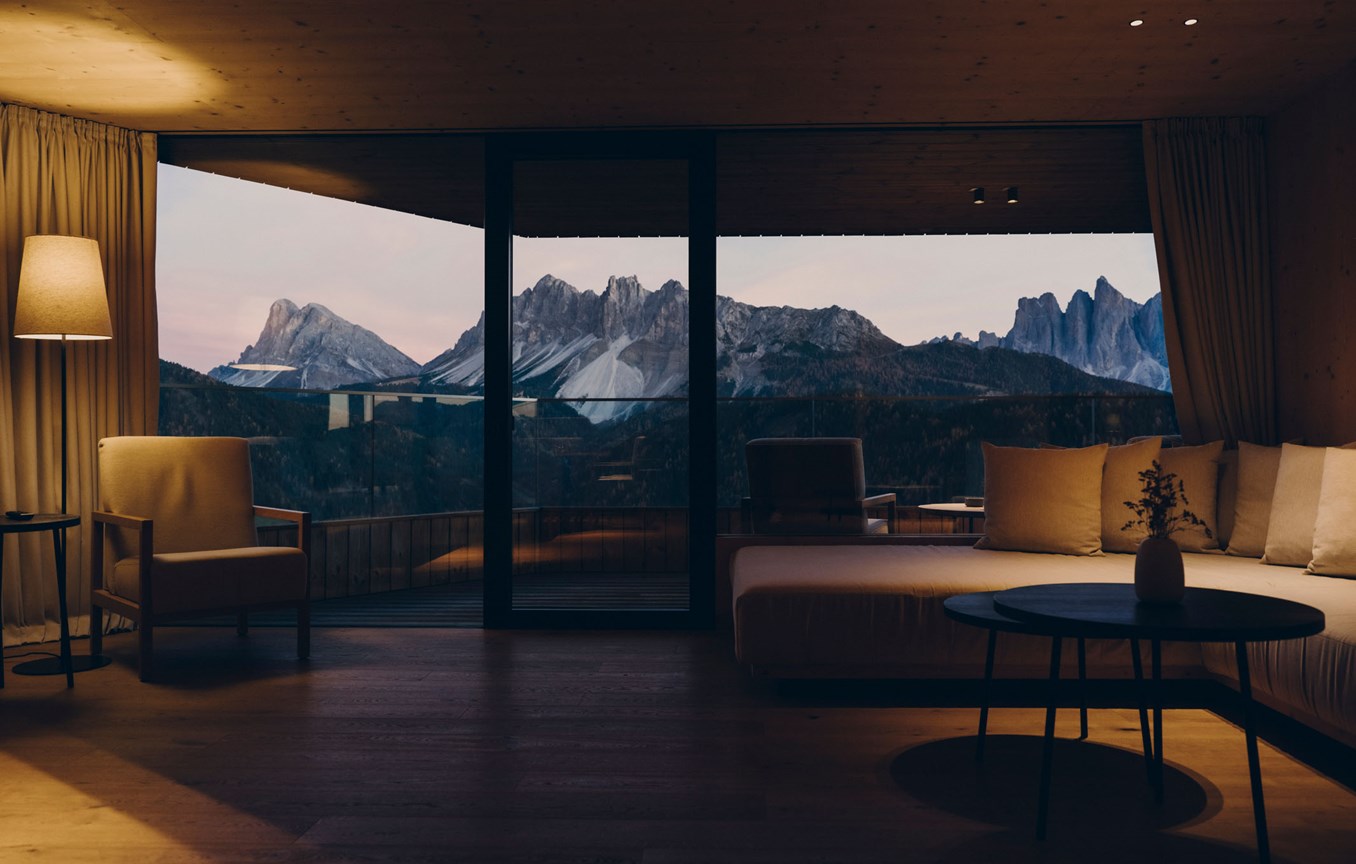
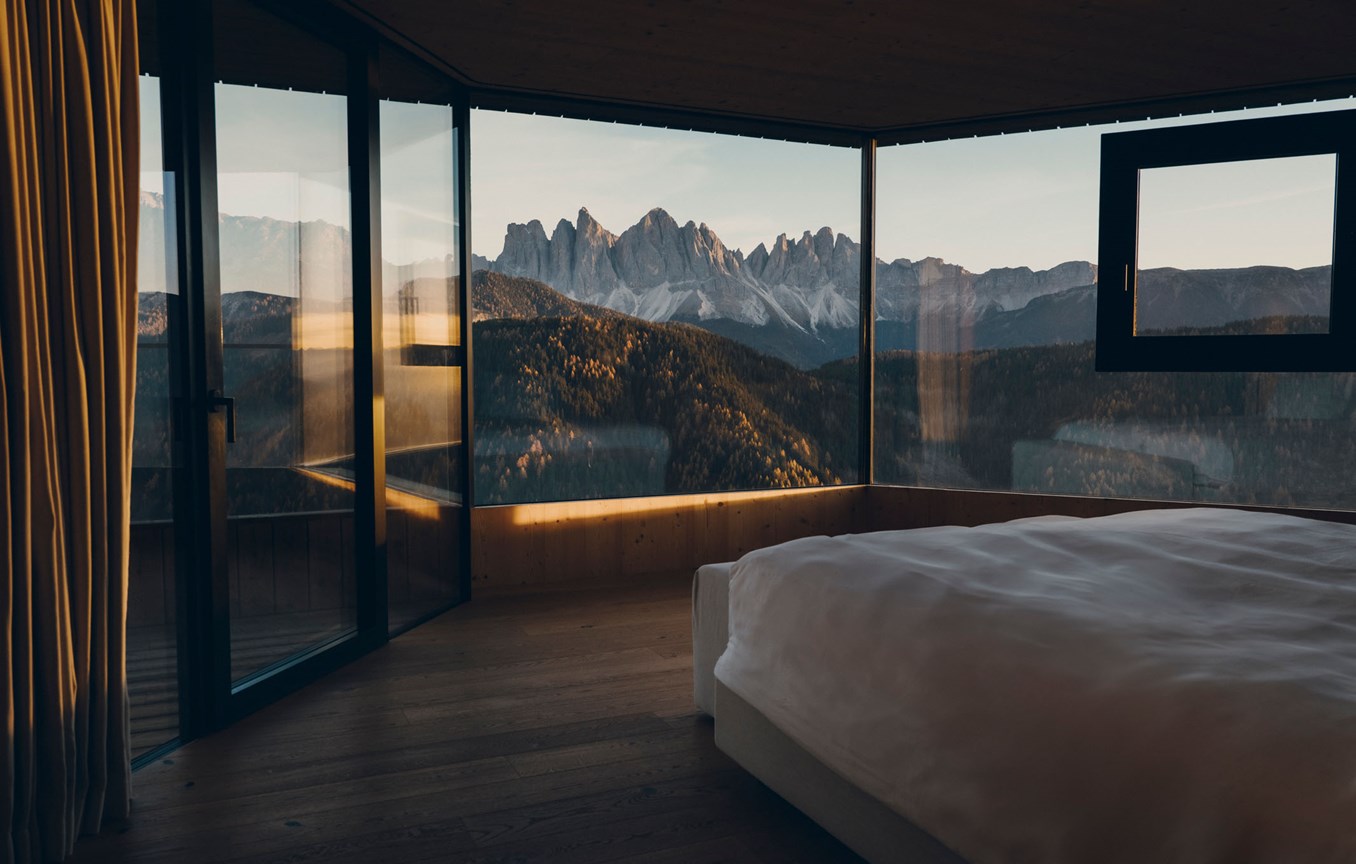
A minimalist suite at FORESTIS, with lamp-lit seating and floor-to-ceiling windows framing a view of the Geisler/Odle Dolomites peaks at dusk.
FORESTIS belongs to a separate part of the journey. Set on Plose above Bressanone, it offers direct ski-in/ski-out access to the Plose ski region via a forest path from its own ski room — making it a genuinely self-contained winter base rather than a satellite of any other cluster. The forest surroundings, wide mountain views and a dedicated wellness focus reward time spent here on its own terms.
One journey across the Alps

Switzerland and the Dolomites can each sustain a complete winter stay. Combining them works best when there is enough time to experience both without turning the journey into a sequence of transfers.
The Swiss chapter offers helicopter access and the scale of the high Alps. The Dolomites bring touring beneath limestone walls, nights at altitude and the culture of their valleys.
SCULPTURED JOURNEYS shapes the balance around each group: the ambition of the skiing, the pace of the stay, the choice of hotel and the time allowed for conditions to change.
What remains afterwards may be a single descent, a ridge reached under your own power or the morning you woke above the valley. The planning creates room for those moments.
To explore a private winter journey in Switzerland, the Dolomites or both, speak with SCULPTURED JOURNEYS.
Private by nature. Extraordinary by design.
Frequently Asked Questions
Q: Is heli-skiing legal in Switzerland?
A: Yes. Switzerland operates a regulated system of forty approved mountain landing sites under the Federal Office of Civil Aviation, with defined seasons and qualified guides. That regulatory framework has made Switzerland the principal European destination where heli-skiing is conducted on a formal, permitted basis — most of Europe restricts or prohibits it. A landing site's approval does not guarantee that any particular descent is available on the day: snow conditions, visibility and the guide's assessment all determine what is possible. SCULPTURED JOURNEYS plans each private heli-skiing day with that flexibility built in.
Q: Is heli-skiing available in the Dolomites?
A: Commercial heli-skiing in the Dolomites operates under strict restrictions and within a small number of specifically authorised zones. Significant areas — including protected natural parks — are designated no-fly zones, and the regulatory framework across Trentino, South Tyrol and Veneto continues to tighten. For a SCULPTURED JOURNEYS private Dolomites journey, backcountry ski touring and off-piste skiing — led by our UIAGM/IFMGA qualified mountain guides through terrain including the Fanes-Sennes-Braies natural park and the Cortina and Alta Badia backcountry — is the primary form of alpine travel described in this piece.
Q: What does a UIAGM/IFMGA qualification mean for a mountain guide?
A: A UIAGM/IFMGA qualified Professional Mountain Guide holds the world's highest qualification in climbing, mountaineering and ski mountaineering. On a SCULPTURED JOURNEYS Dolomites journey, our UIAGM/IFMGA qualified guides lead the backcountry skiing and ski touring, and our UIMLA qualified Professional Mountain Leaders lead snowshoeing, hiking and trekking. These two qualifications are the mountain credentials recognised internationally.
Q: What is ski touring, and how does it differ from heli-skiing?
A: Ski touring involves ascending under your own power, with climbing skins attached to the base of the skis for traction on the uphill. The descent follows the route the group has climbed. Heli-skiing replaces the ascent with a helicopter flight to higher terrain, placing skiers in remote areas unreachable by lift. The two forms of skiing are distinct in effort, terrain and character — ski touring rewards the journey to the summit; heli-skiing offers scale and altitude that no lift system reaches.
Q: Can a private ski journey combine Switzerland and the Dolomites?
A: Yes. SCULPTURED JOURNEYS designs entirely private journeys that move across the Swiss and Italian Alps as a single coherent experience, shaped around the group's preferred balance between heli-skiing, backcountry touring, mountain culture and the pace of the stay. No fixed route or minimum duration applies — every journey is built from the outset around the specific group.
Q: What is a rifugio, and what should guests expect?
A: A rifugio is an alpine mountain refuge, traditionally operating on a communal model — shared rooms, shared tables, practical mountain hospitality. SCULPTURED JOURNEYS sources rifugi that offer private rooms where conditions and winter opening allow, though a private room may still share bathroom facilities. The appeal lies not in hotel-level comfort but in waking above the valley, already in the landscape, with the day's skiing beginning from altitude rather than from a transfer.




.jpg)




















-002.jpg)
