
The Quiet Gold of September: Paris, and the Road to Champagne
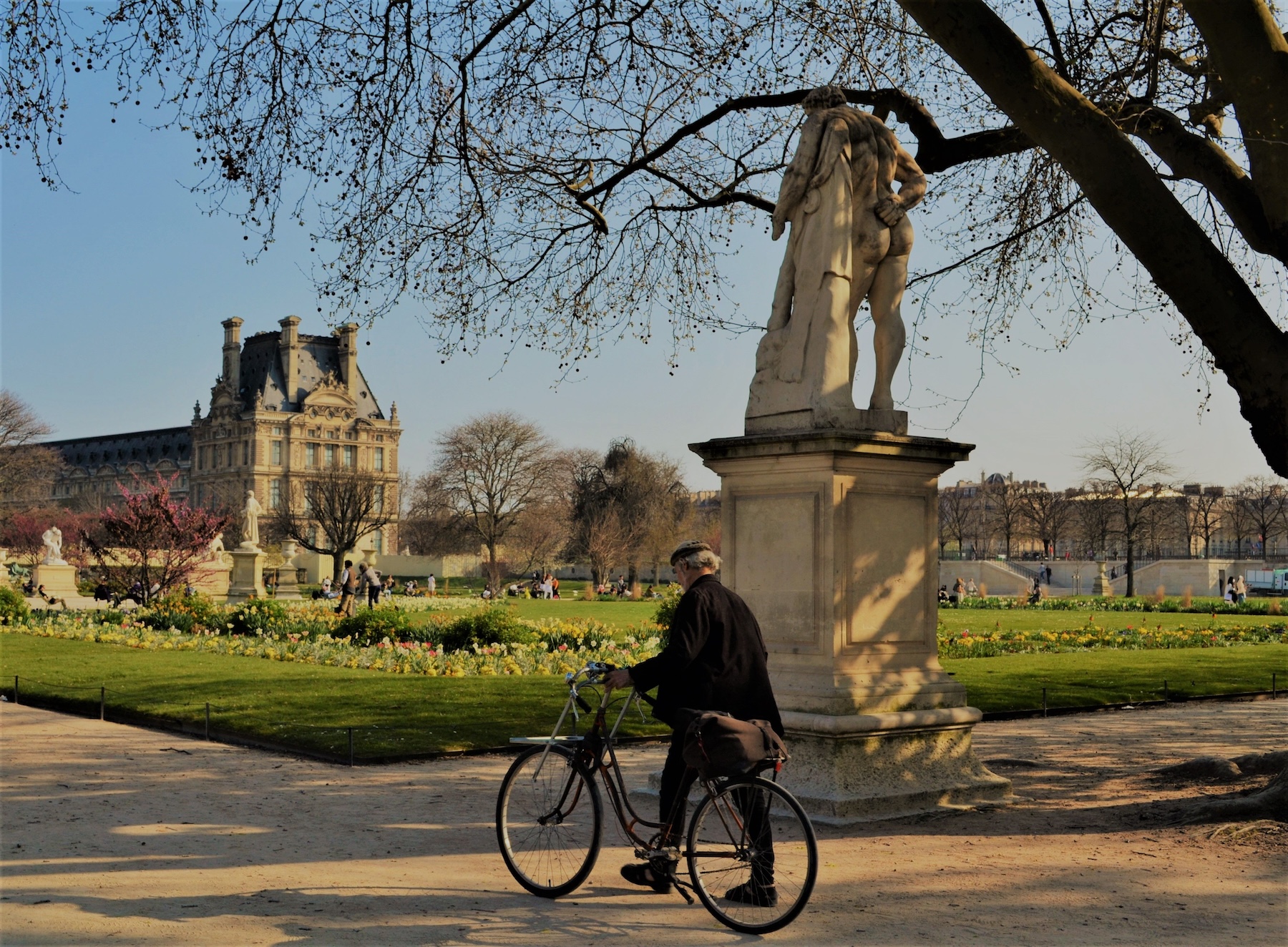
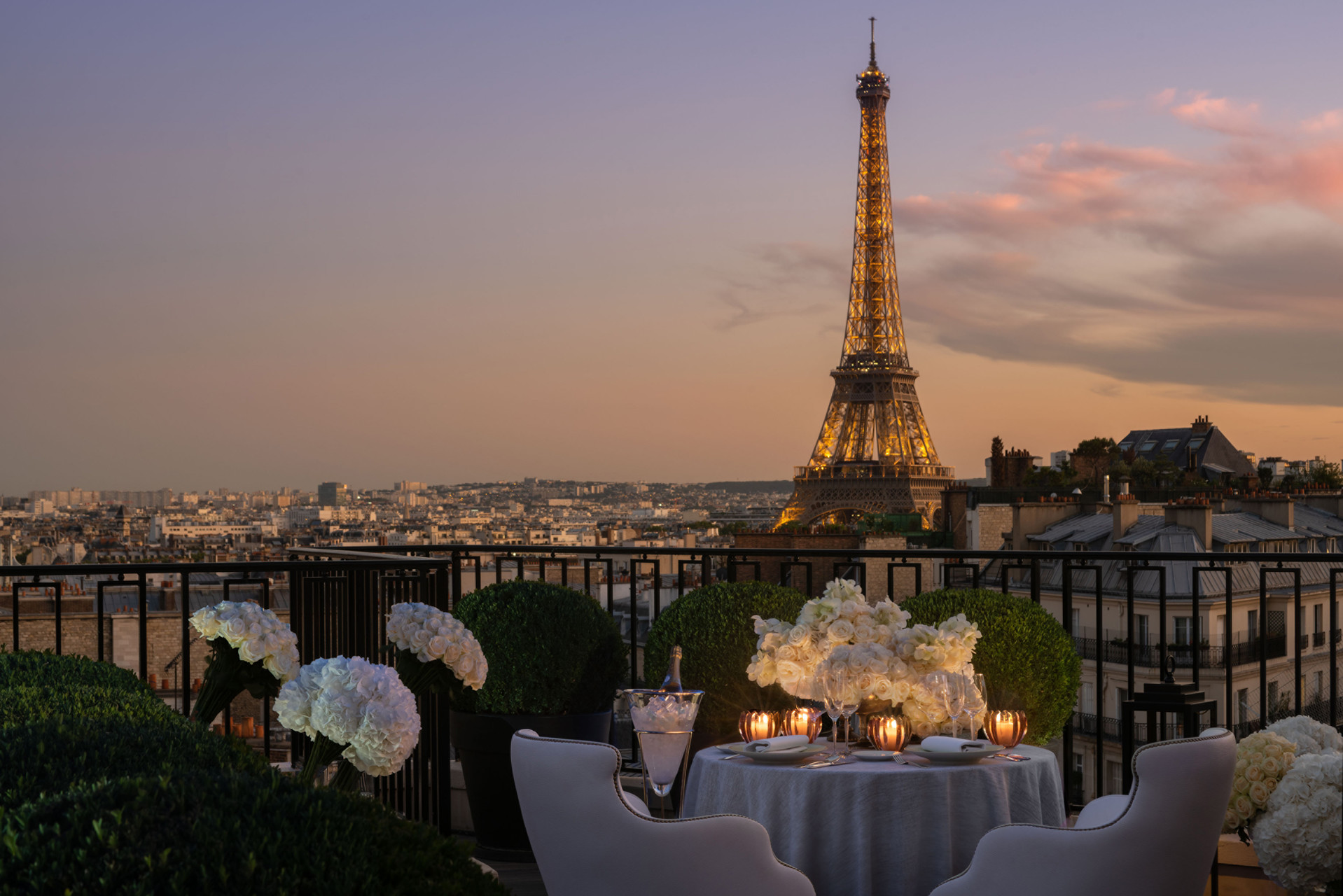
There is a particular week in Paris, somewhere in the first half of September, when the city seems to exhale. The terraces are still full, but the accents around them have changed — French again, mostly, rather than August's swirl of everywhere else. The light lowers itself by early evening into something closer to amber than white, and the plane trees along the quais have only just begun to consider turning. This is Paris at its own particular register — warm, golden, companionable. A different mood entirely from the hush and glitter of a Paris Christmas, and no less beautiful for it. September in Paris asks very little of a traveller and returns a great deal.
The rentrée gives the city its rhythm back. Galleries reopen with new shows, the markets on Rue Mouffetard and Rue Cler fill with the last of the summer's stone fruit alongside the first of the season's mushrooms and game, and the restaurants that spent August half-shuttered are, by the second week of the month, fully themselves again. It is a good season for walking without agenda — along the Seine toward the Île Saint-Louis in the late afternoon, through the Jardin du Luxembourg as its chestnut trees begin to turn, into the Marais as the evening cools enough to want a jacket. September is, in its own quiet way, a fine season for the city's hidden wine addresses too — a cellar below the streets of Montmartre, a room known mostly by reputation for its cheese and wine — the kind of evening best kept for a night with nothing else asked of it.
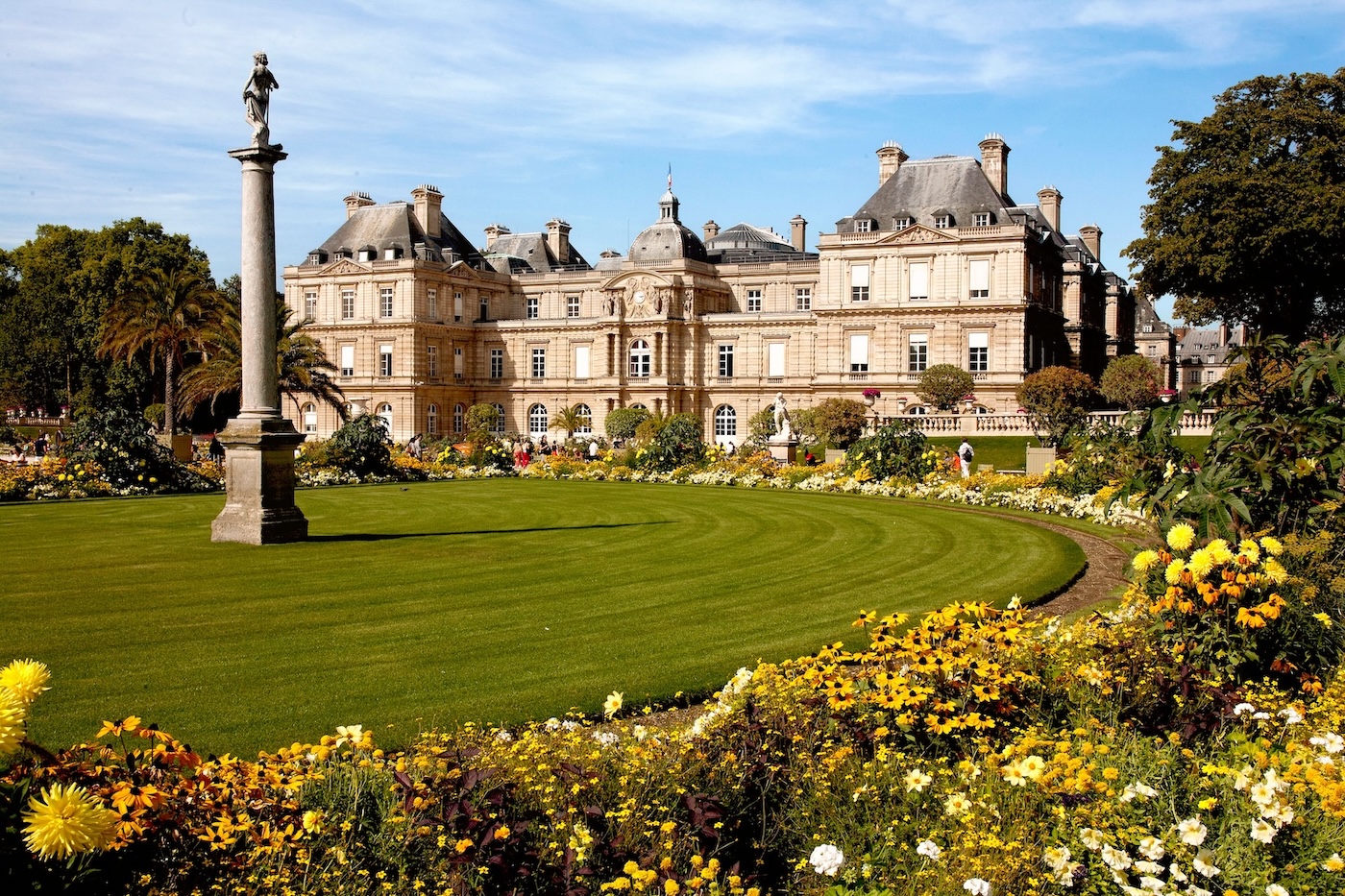
For a single day within a longer Paris stay, it is also the season in which Champagne itself is at its most alive.
The road to Champagne
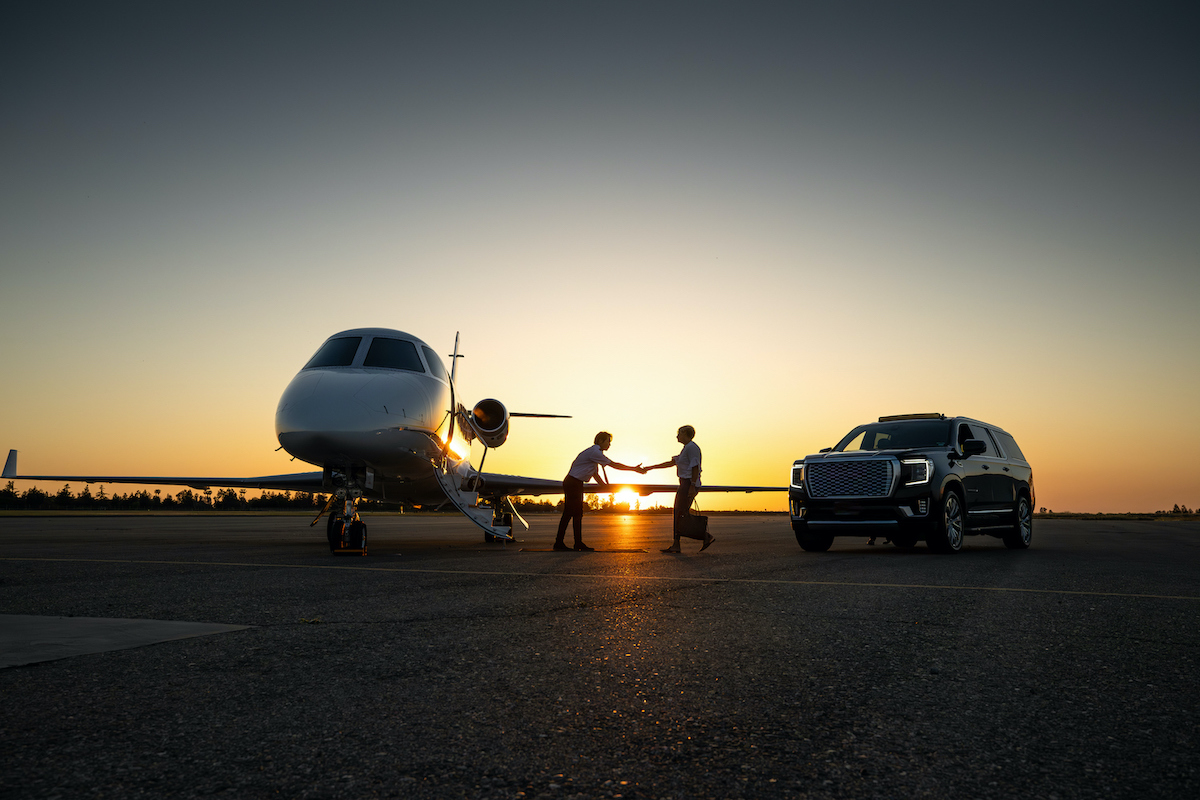
The distance is a short one. A private car crosses it in about ninety minutes, the city's edges giving way within minutes to chalk hillsides combed with vines, and by the time the car slows into Épernay, Paris feels considerably further than an hour and a half behind. There is no timetable to keep and nothing to catch — the day begins the moment the car does, and ends the same way, whenever the last glass is finished. Travellers who prefer to arrive by rail can do so just as easily, first class from Gare de l'Est with a car waiting at the other end, though for a day built entirely around one region, the drive itself tends to be the better beginning.
Épernay has built its identity around a single, extraordinary street. The Avenue de Champagne — a little over a kilometre of grand nineteenth-century mansions built by the great Champagne houses at the height of their prosperity — was inscribed on the UNESCO World Heritage list in 2015, as part of the wider Champagne Hillsides, Houses and Cellars listing that also includes the historic vineyards of Hautvillers, Aÿ and Mareuil-sur-Aÿ and the Saint-Nicaise hill in Reims. Beneath the avenue's chalk façades run more than a hundred kilometres of cellars carved into the soft limestone bedrock — a hidden city of tunnels where millions of bottles rest in the dark, undisturbed, at a constant and indifferent temperature regardless of what the season above is doing.
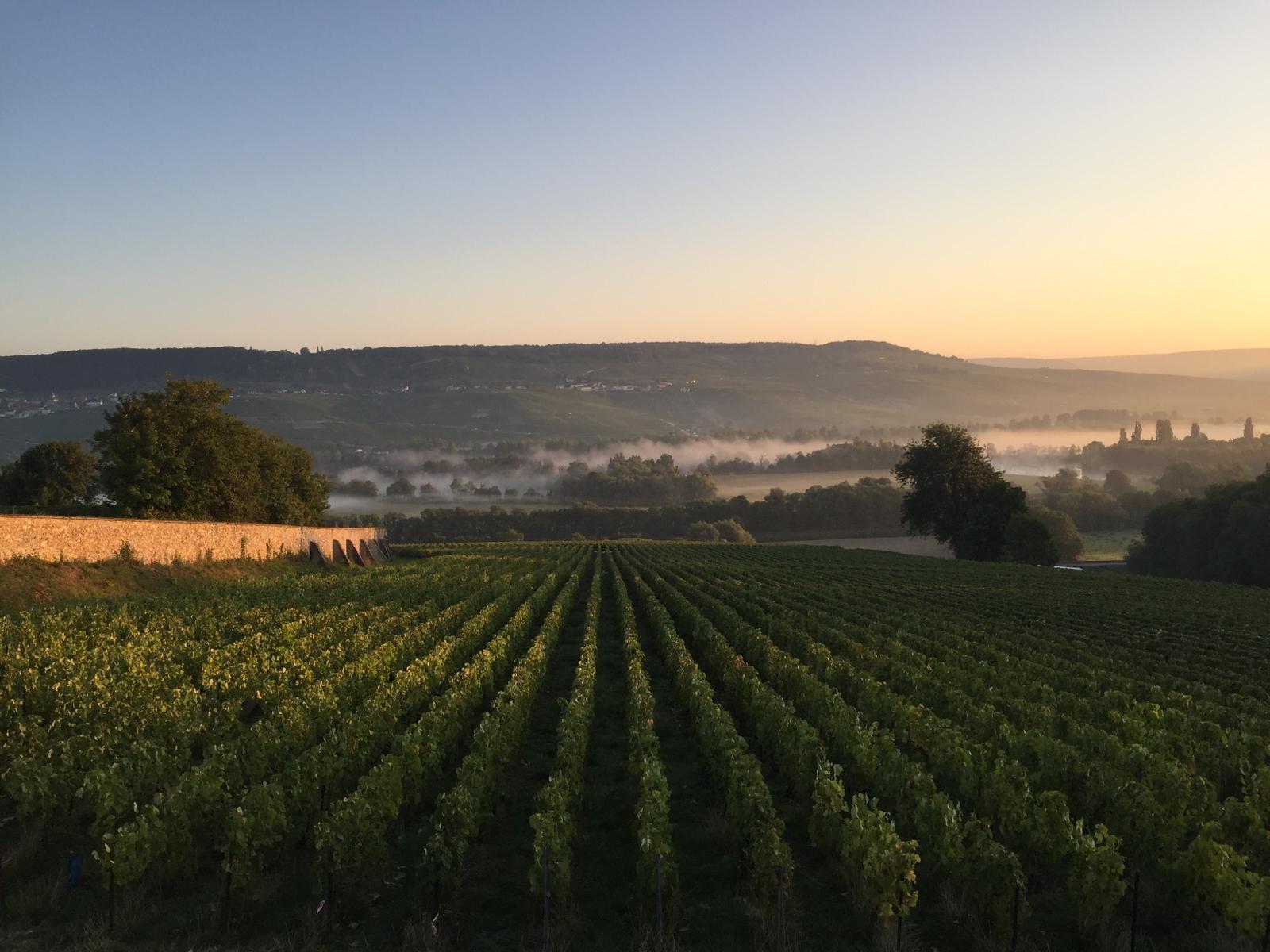
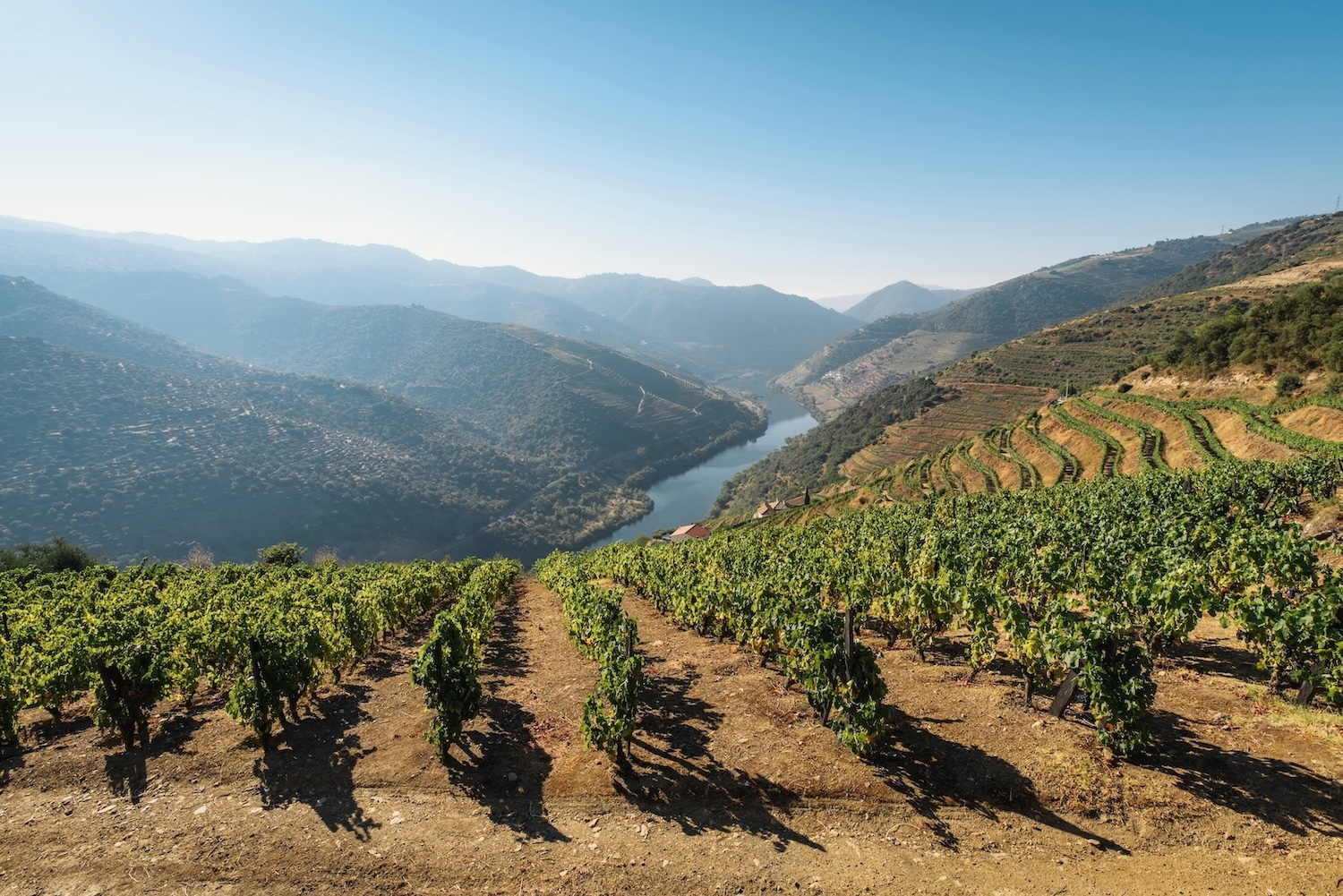
September brings its own particular energy to the region. Officially, the Champagne harvest tends to fall in September, though in recent vintages it has often begun as early as the second half of August — which means that by the time September settles in, the work has usually already shifted from the vineyards to the presses and cellars. The grapes, picked entirely by hand under appellation rules that permit no mechanical harvesting, will already have made their journey to the pressing houses; what a September visit finds instead is a region mid-transformation, the year's fruit becoming wine in real time, and the hillsides already beginning to turn toward the yellows, oranges and reds that will define the landscape through October.
The avenue of houses
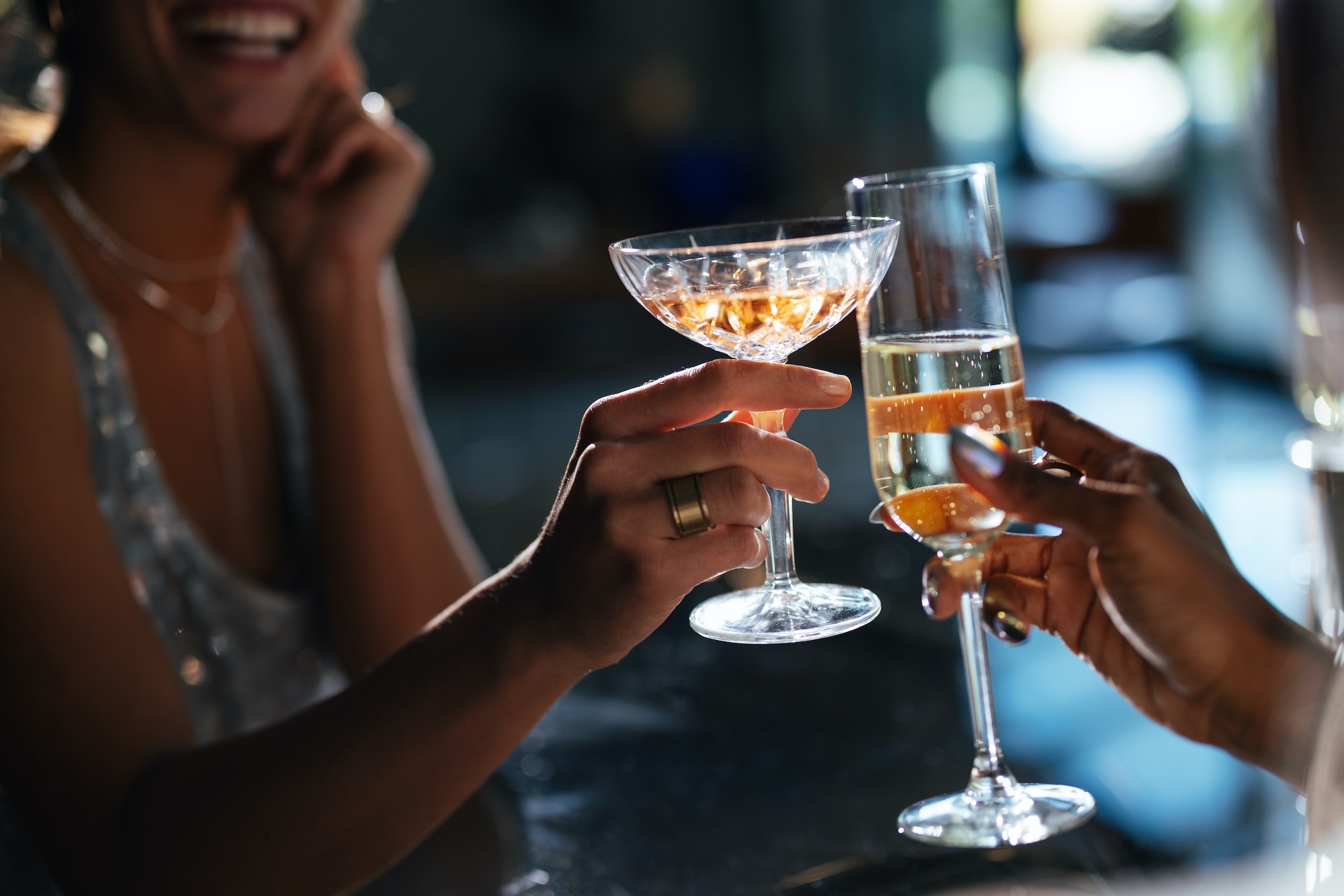
Moët & Chandon anchors one end of the avenue, its cellars alone accounting for some twenty-eight kilometres of tunnel beneath the street — the largest single network in Champagne, and part of the same UNESCO listing as the avenue above it. The house was founded in 1743 by Claude Moët, and its wines found a famous and enduring admirer in Napoleon, a connection the Maison still folds into its own telling of its history today. An evening in the cellars once the day's visitors have gone, or a tasting in the house's own Orangerie, is a different way of seeing it entirely — the tunnels silent, the avenue outside already dark.
Further along the avenue, Maison Perrier-Jouët keeps a quieter profile, in keeping with a house that has always positioned itself closer to art than to commerce. Founded in 1811, the Maison built much of its identity around Art Nouveau, most visibly at Maison Belle Epoque, its intimate nineteenth-century residence on the avenue, where a multi-course tasting lunch is served against a backdrop the house itself describes as art and nature in dialogue. Other storied names line the same kilometre and the surrounding hillsides — Mumm, Pol Roger, Taittinger among them — each with its own version of the same essential story: a family, a cellar, a style refined across generations and defended, still, with real seriousness.
A different kind of day
Beyond the great Maisons of the avenue exists a rarer, more private register of Champagne — the world of the small, family-owned estate, still worked by the family whose name appears on the label, its architecture never opened to the public, its cellars holding only its own wine.
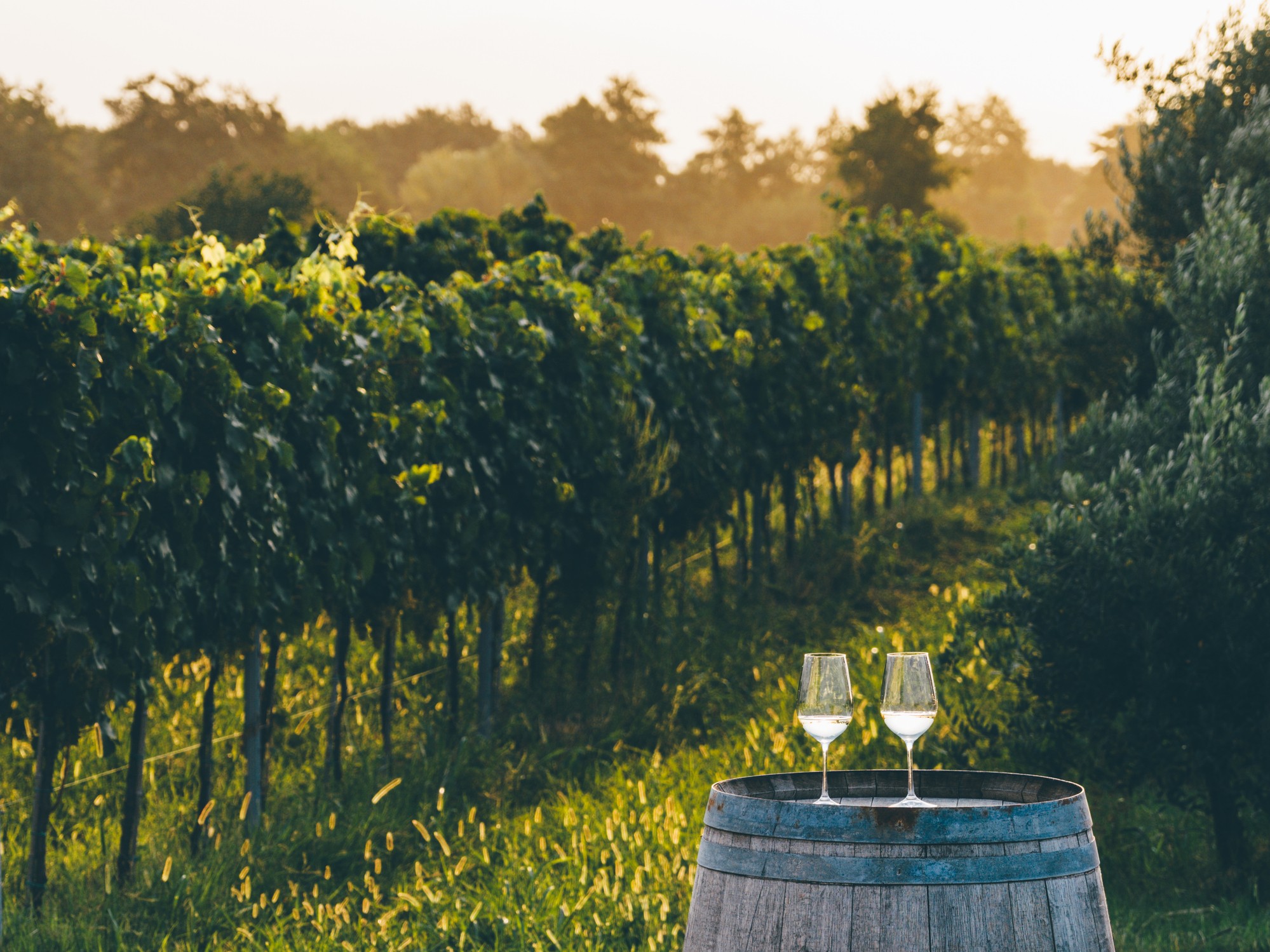
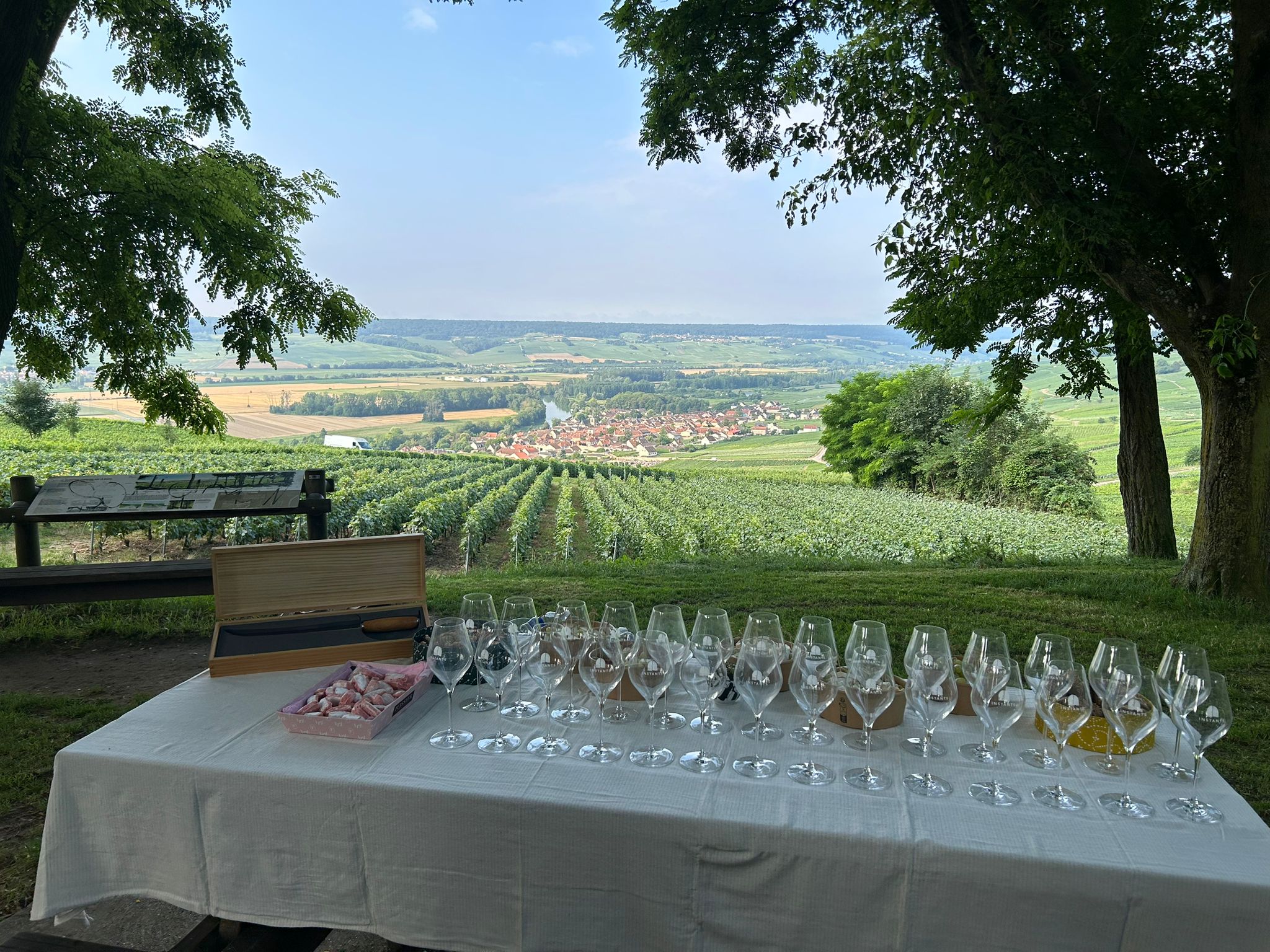
The day itself is built like this: it begins in the vineyards, walking the rows with someone who has worked them for decades, before moving underground into cellars built up gradually over generations rather than fitted out for a visitor schedule. A private tasting follows — among the vines in fine weather, or in one of the estate's own salons when September turns cooler — before a gastronomic lunch, prepared by a Michelin-starred chef, in a dining room that exists for the family alone. It closes with the rarest thing Champagne has to offer: the chance to blend a cuvée entirely of one's own, working alongside the estate's cellar team, bottled and delivered home within a few months — a wine that exists nowhere else, made once, for one person.
The wider vineyard
For travellers extending their time in the region, the villages around Épernay and Reims reward a slower pace. Hautvillers, in the hills above the Marne, is the village long associated with the Benedictine monk Dom Pérignon, cellarer at its abbey in the late seventeenth century and, in local legend more than in settled historical record, the figure most closely tied to Champagne's evolution into the wine it is today. He is buried in the abbey church, and the village around it remains one of the most quietly beautiful in the region. Further north, Reims Cathedral — a UNESCO World Heritage site since 1991, and the setting traditionally given for the baptism of Clovis, first King of the Franks, on Christmas Day in the year 496 — offers an older, graver register of the region's history, its Gothic façade rising over a city that spent centuries crowning the kings of France.
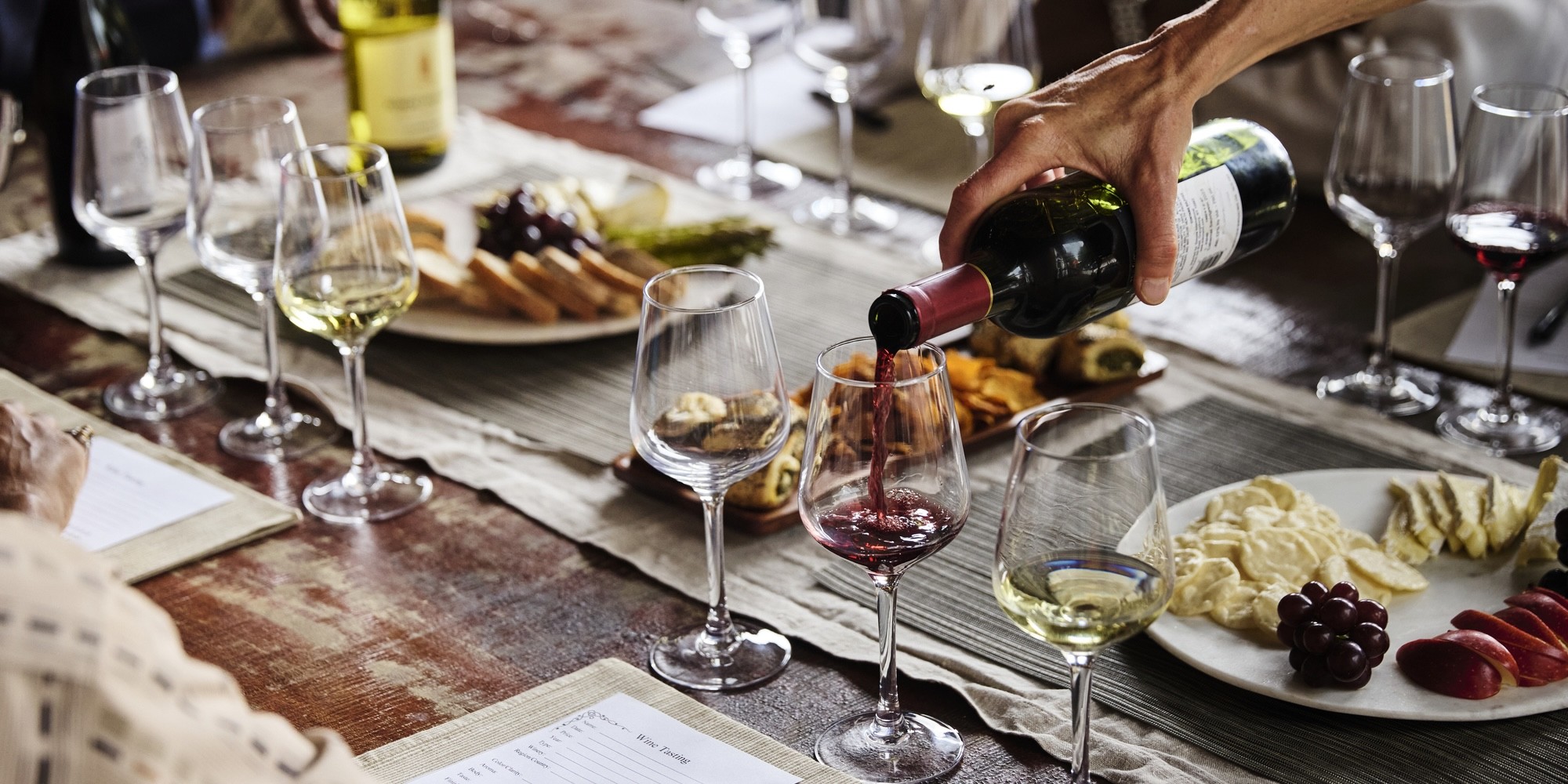
Champagne's dairy tradition deserves a mention alongside its wine. Chaource, a soft, bloomy-rind cheese made in the Aube since the fourteenth century, and Langres, a small washed-rind cheese traditionally finished with a splash of Champagne poured directly into its distinctive dimpled top, both carry their own appellation and both appear, unsurprisingly, on the tasting menus of the region's finest houses — a reminder that Champagne, long before it became a global export, was a working agricultural region with its own quietly serious table.
For those who would rather not compress it all into a single day, the region rewards a full night's stay above the vineyards — reason enough for its own story another time.
Back to Paris
The same private car that carried a traveller out to Champagne that morning brings them home in the evening — Paris still golden, still unhurried, exactly as it was left. Few cities make this kind of day feel so entirely without compromise: a morning among the vines, a region turning slowly toward autumn, and a return to the city's own particular version of the same season, its light doing the same slow, amber work along the river.
Within a longer Paris stay, a day given over to Champagne sits best mid-week, when the avenue's houses are quieter and the private estates easier to move through without hurry. It asks for very little in the way of planning and returns, disproportionately, one of the more memorable days available within reach of the city.
It is, in the end, the pairing that makes the day — not Paris alone, and not Champagne alone, but the ease of moving between the two within a single golden week in September, each place made a little more vivid by the other.
Private by nature. Extraordinary by design.
Frequently Asked Questions
How far is Champagne from Paris? Épernay is about ninety minutes from Paris by private car, or roughly eighty minutes by direct train from Gare de l'Est.
How far is Reims from Paris? Reims is closer still — as little as forty-five minutes by direct TGV from Gare de l'Est, or about ninety minutes by car.
Can Champagne be visited as a day trip from Paris? Yes — it is one of the more natural day trips from the city. A private car allows a morning departure and an evening return to Paris, with several hours in the region in between.
When is the best time to visit Champagne? September offers a particular vantage point: the harvest has typically just finished or is finishing, and the vineyards are beginning to turn toward autumn colour, without the peak crowds of high summer.
When is the Champagne harvest? The harvest traditionally falls in September, though in recent vintages it has often begun as early as the second half of August.
What is the Avenue de Champagne? A UNESCO World Heritage–listed street in Épernay lined with the mansions of the great Champagne houses, built above more than a hundred kilometres of cellars carved into the chalk.
What is there to see in Reims? Reims Cathedral — a UNESCO World Heritage Site since 1991 and the traditional setting for the baptism of Clovis, first King of the Franks — anchors the city, which also sits close to several of the Champagne houses of the EPI group.
Can a Champagne day trip be combined with a longer Paris stay? Yes — it sits naturally within a longer Paris itinerary, ideally mid-week, when the avenue's houses are quieter. Épernay and Reims can also be combined into a single day, or spread across two for a slower pace.




.jpg)





















-002.jpg)
