London, Dublin, and the Wild Atlantic Edge
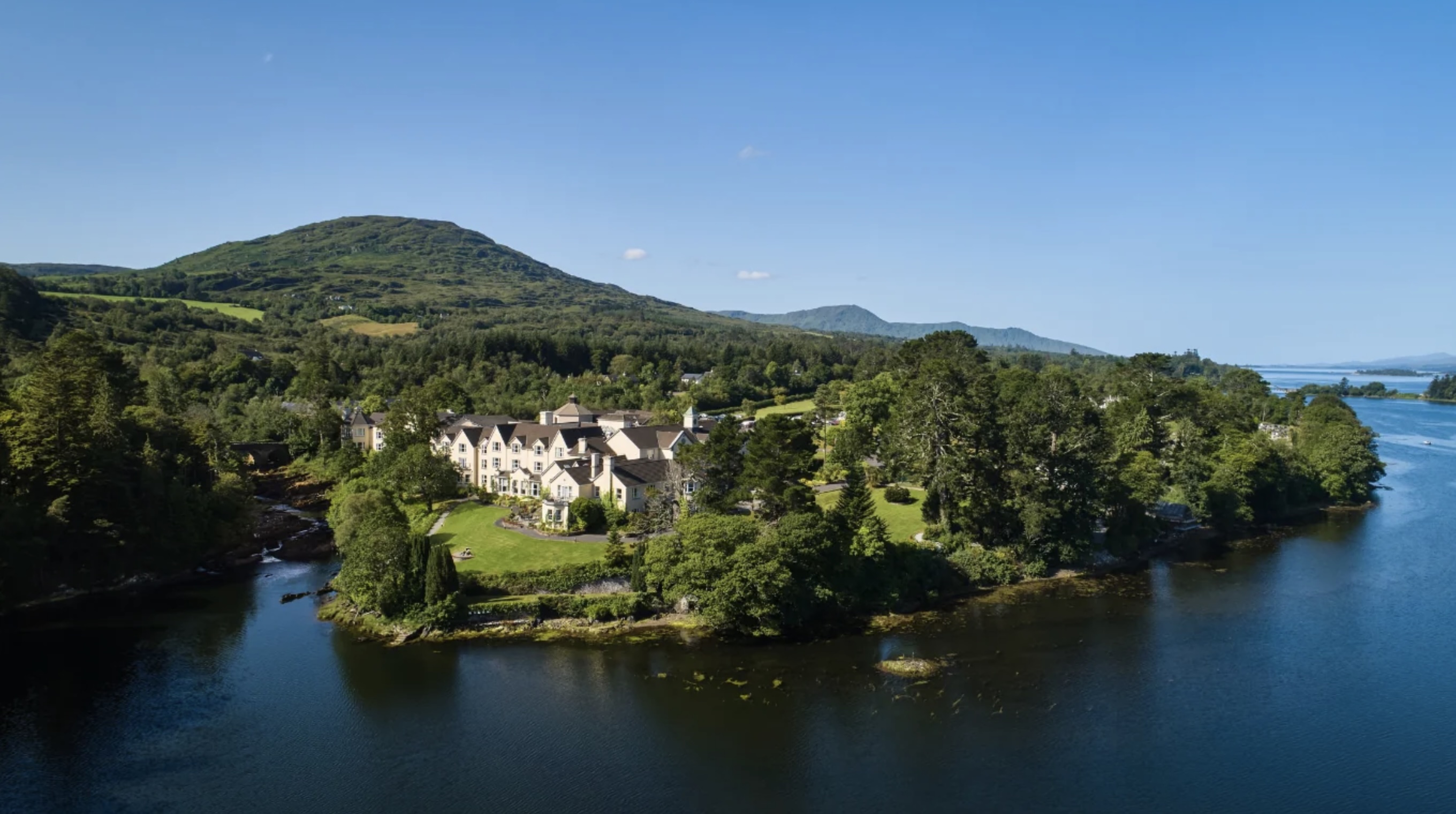
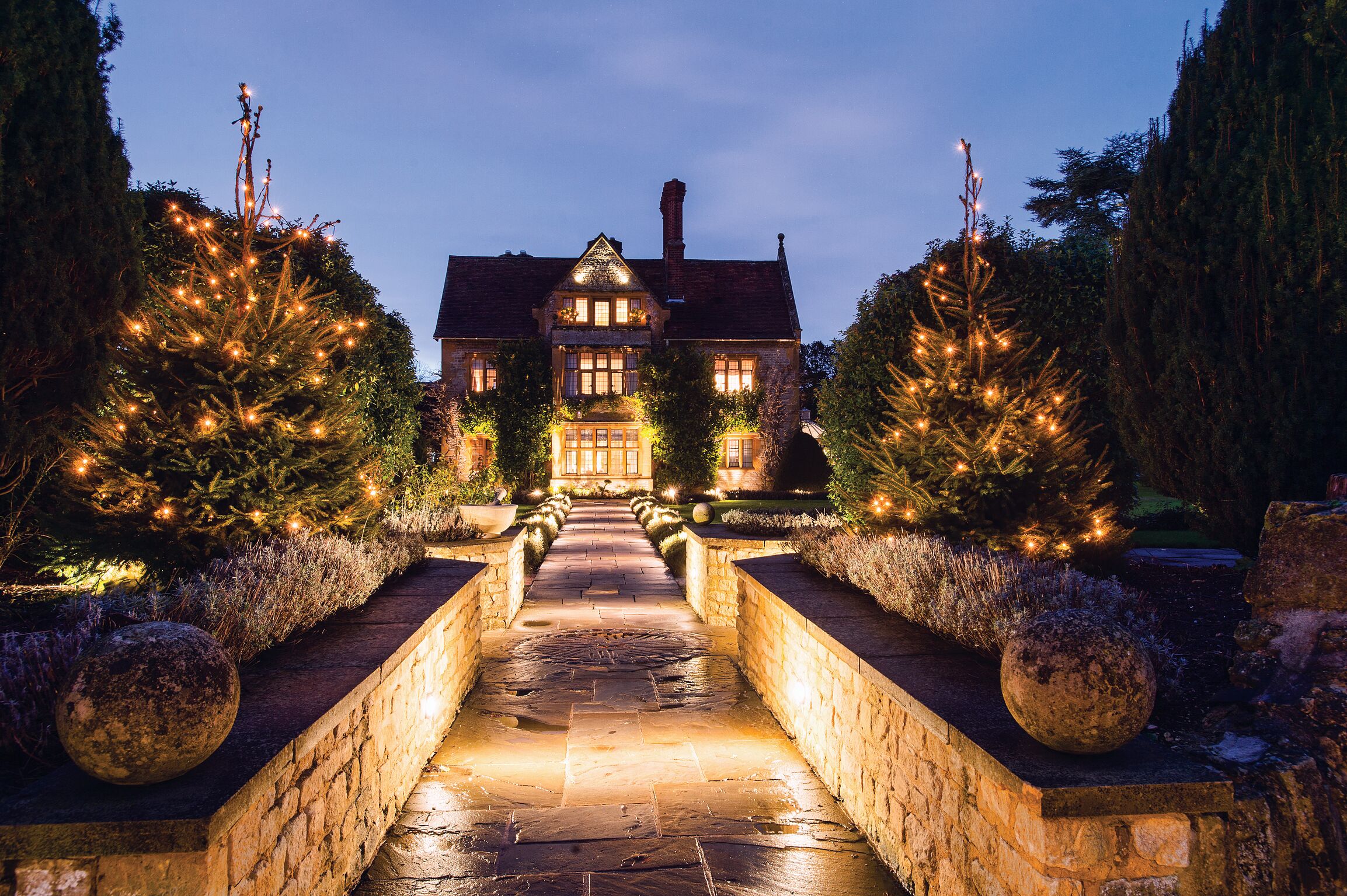
The falls are the first thing you hear. Before you reach the front door of Sheen Falls Lodge, before the lights of Kenmare Bay appear through the trees on the other side of the valley, the Sheen River announces itself — running white over the rock shelf below the original house, audible from the terrace and from the path that edges down through the grounds to the water. At certain times of year, in late summer when the river comes down at a pace that is almost meditative, the sound becomes a constant low register beneath everything else. You stop noticing it the way you stop noticing your own breathing. And then something shifts, and you notice it again, and it is still there.
This is where the journey ends. Which is to say, this is where it arrives.
To understand Sheen Falls Lodge as a destination, it helps to understand the approach — not the road from Kenmare, but the longer approach, the one that begins in London and moves through Dublin and Adare and into the different country of County Kerry by degrees. Ireland receives travellers differently depending on how they come to it. To arrive at the wild west of Kerry straight from a transatlantic crossing is to arrive somewhere that feels, briefly, too much — too open, too windswept, too insistently itself. To arrive via London, via Georgian Dublin, via the considered grandeur of a Limerick estate, is to arrive with some capacity to take it in. The journey earns the destination.
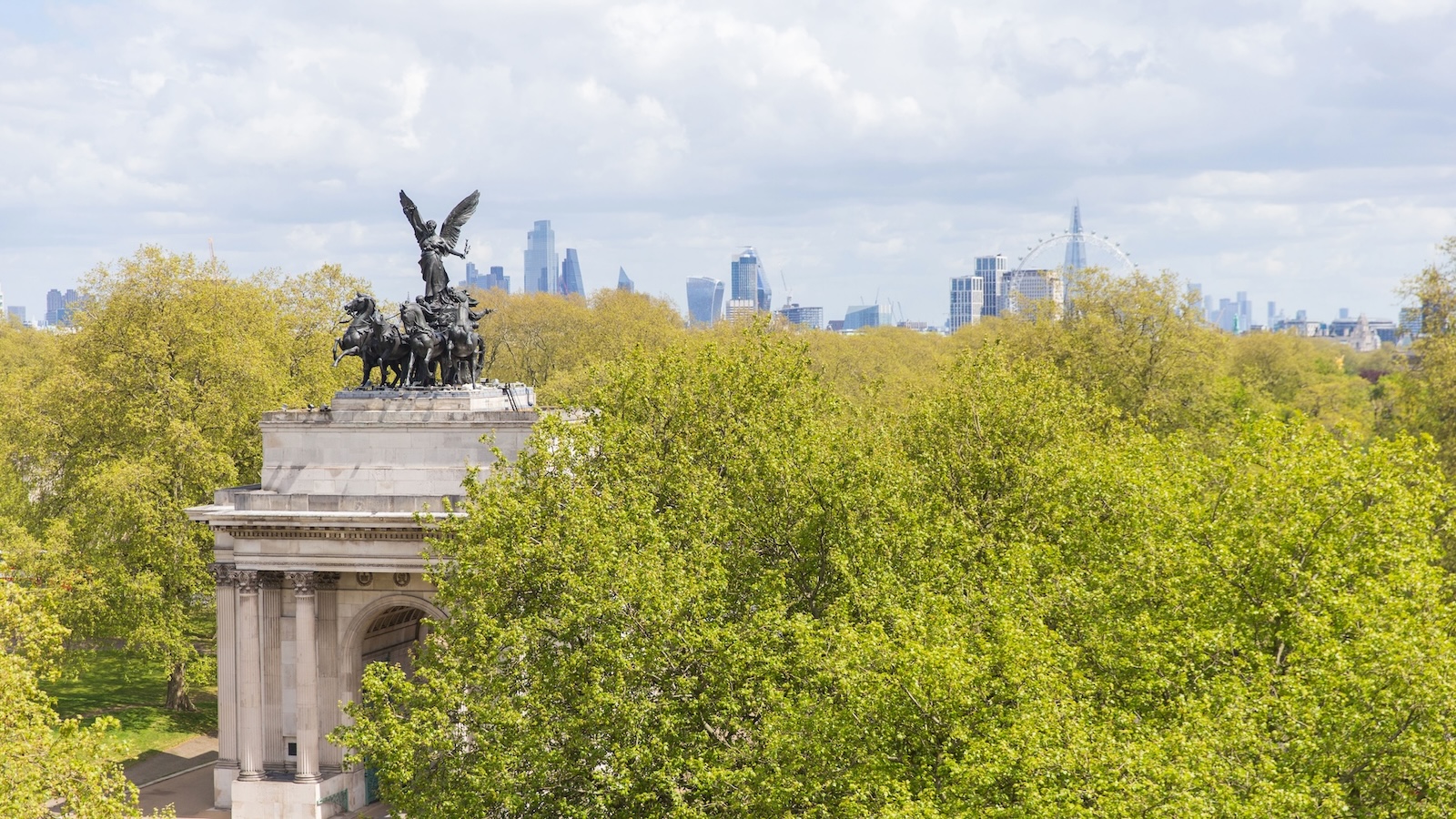
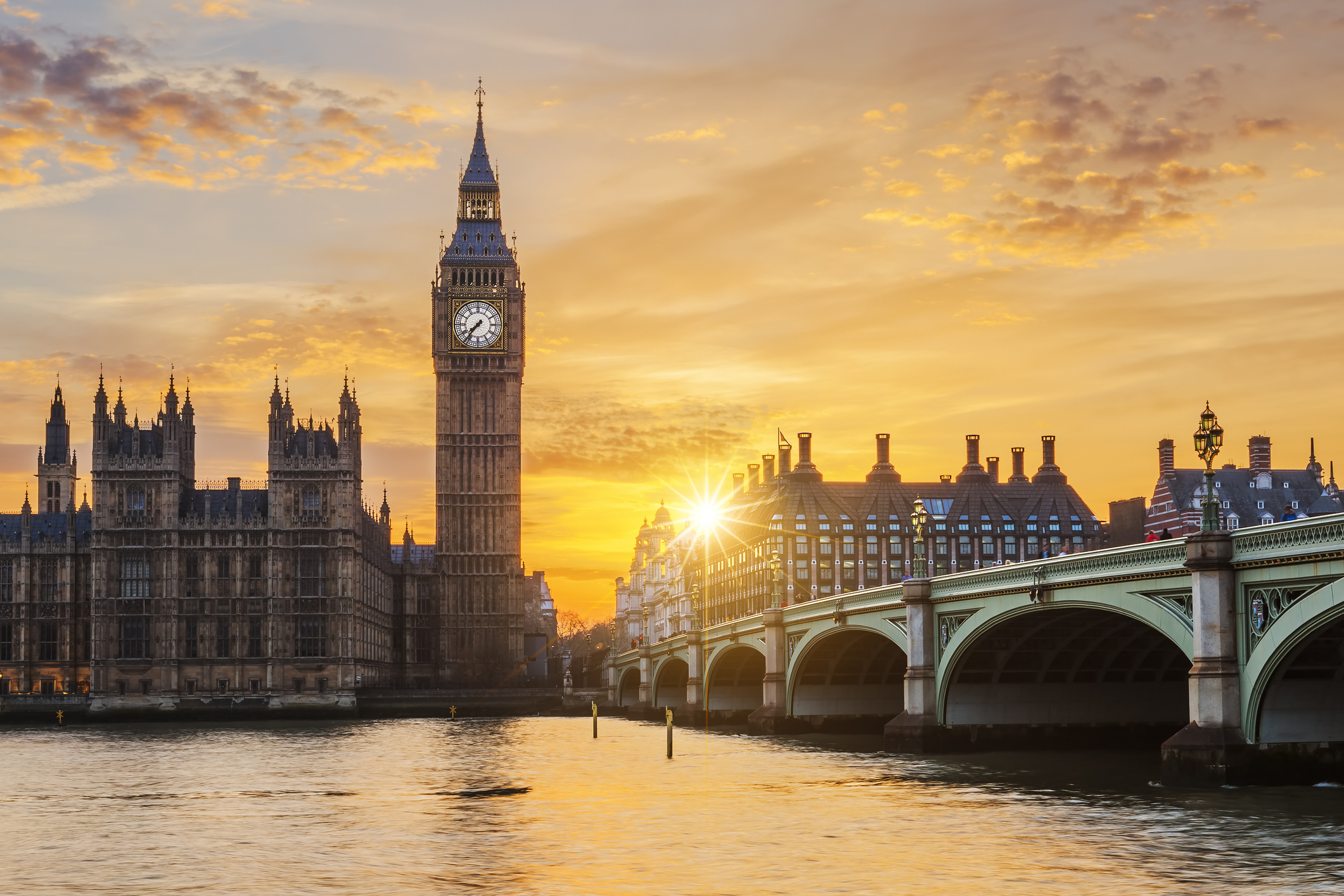
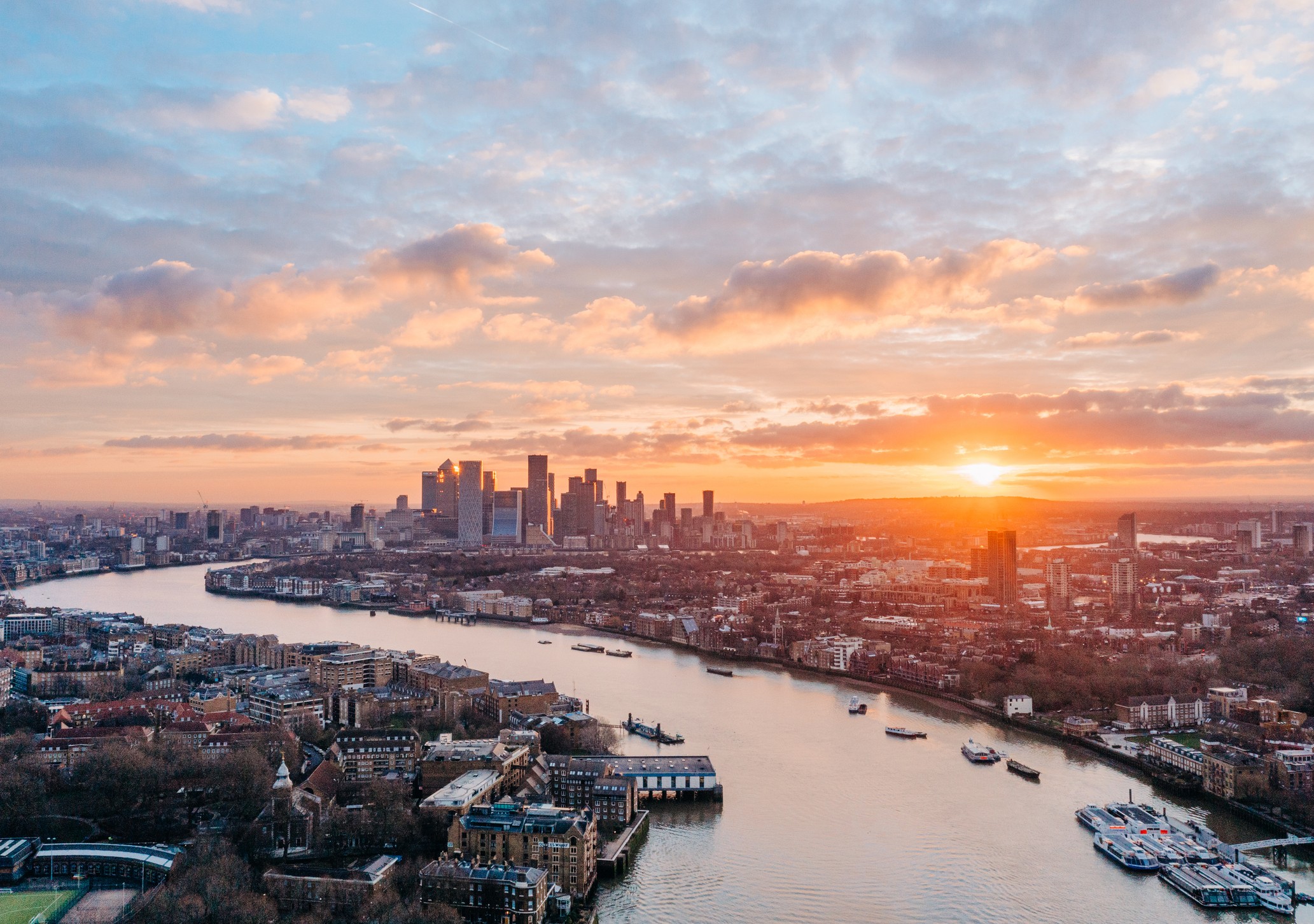
The Lanesborough at Hyde Park Corner is where that approach begins. It is not, for the traveller arriving from across the Atlantic, a London experience in itself — that ground belongs to its own story. It is something more precise than that: two nights of calibrated recovery, in a property that belongs to the Oetker Collection, positioned directly at the point where the city’s formal geometry presses against the green expanse of Hyde Park. The Wellington Arch stands at the junction below, and the park opens immediately on foot each morning, and neither of these things demands any particular attention. That is rather the point. The Lanesborough at this moment in a journey is not a destination to be read or decoded. It is a place to sleep properly, to eat well in rooms that require no effort to inhabit, to let the body’s internal clock release its grip on wherever you have come from. London does its London work on you quietly, and two nights later you are ready for Ireland.
The crossing from London to Dublin — a short hop in the air or an overnight by sea, arranged to preference — is the first real shift in register. Dublin is not London, not in its scale, not in its pace, not in its civic character, and Upper Merrion Street makes this immediately legible. The Merrion occupies four Grade I Listed Georgian townhouses built in the 1760s for Lord Monck, their facades holding the precise proportions and restrained ornament of the period in a way that has outlasted every architectural fashion since. Two years of consultation with Irish heritage bodies preceded the work that began in 1995; the rococo plasterwork survived, the Adam-style neo-classical detailing was left undisturbed, the Corinthian cornices run to their correct conclusions. One of those four houses — No. 24 Upper Merrion Street — is the Dublin address traditionally identified as the birthplace of Arthur Wellesley, 1st Duke of Wellington. The hotel sits directly opposite Government Buildings. These are not facts The Merrion announces with particular emphasis. They are simply true of where it stands, and they give the place a layered civic weight that the building itself could not manufacture.
Move through those rooms, though, and something else becomes clear. What makes The Merrion specific — genuinely specific, in the way that separates a hotel from a place — is what Lochlann Quinn chose to put on the walls. He assembled what is now the largest private collection of 19th- and 20th-century Irish art in Ireland: more than a hundred museum-quality works distributed through the corridors and public spaces and rooms with the considered density of a serious institution. The collection does not announce itself with gallery lighting and explanatory cards. It is simply present, in the way art is present in a house that has always had it.
Paul Henry’s landscapes carry the grey-green light particular to the west of Ireland. Jack B. Yeats’s The Hour of Sleep, painted in 1951, holds that quality of nocturnal interior stillness that only Yeats could render without sentiment. Louis le Brocquy’s literary portrait series — William Butler Yeats, James Joyce, Samuel Beckett, Federico García Lorca — arrives with the concentrated authority of his later decades. Roderic O’Conor, Sir John Lavery, Mainie Jellett, Mary Swanzy, Pauline Bewick: the breadth of the collection belongs to a national institution, held in private. An audio accompaniment to the top twenty works is available for guests who want one — not a museum tour, but a quiet orientation. At some point the afternoon finds its way to pastry chef Paul Kelly’s Art Afternoon Tea, drawn from the imagery of the collection and managing the difficult trick of being genuinely playful without being trivial.
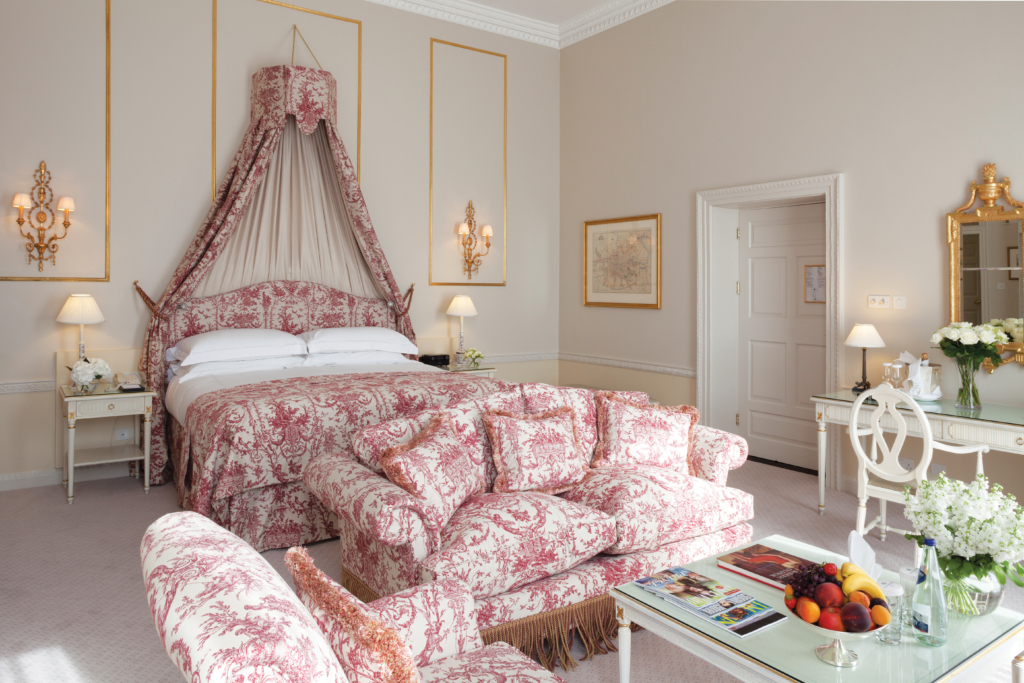
Dinner, under Executive Chef Ed Cooney, is Irish in its sourcing and its sensibility: meat from Irish producers, fish from sustainable Irish waters, honey from rooftop beehives that travel a short distance before arriving at the table. The commitments are made without the language of performance. The building sits opposite Government Buildings, on a street that carries the full weight of Irish civic history, and the food it serves belongs to the same country it occupies.
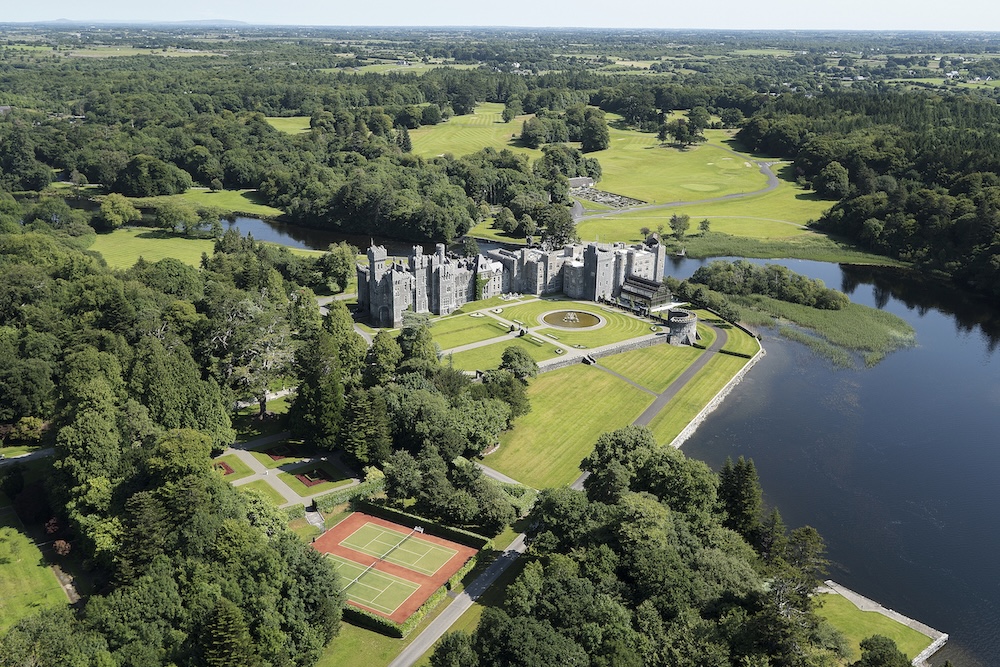
From Dublin, the journey moves south and west through the changing character of the Irish midlands, the landscape softening by degrees into the more pastoral register of County Limerick — green in a particular way, domesticated by centuries of estate farming, the land folding gently around the River Maigue. Adare Manor arrives at the end of a long approach through parkland: a Victorian Gothic manor house of considerable scale, its turrets and crenellations presiding over the river with the settled assurance of a building that has always known it is the most important thing in this landscape.
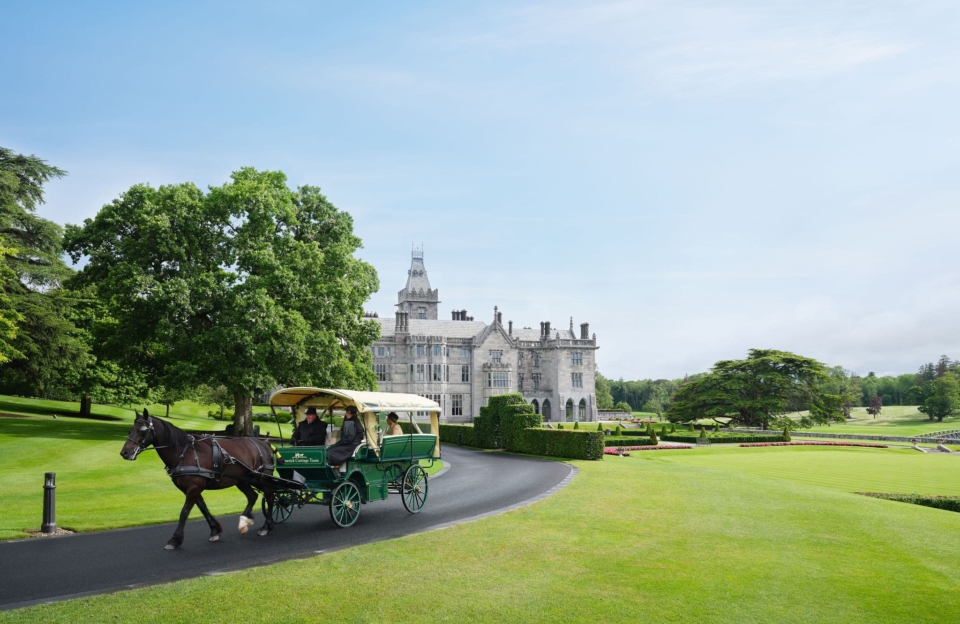
One night here would be to merely pass through it. Two nights is the correct measure — not because the schedule requires it, but because the estate needs time to open up. The first evening moves to The Oak Room, which has held one Michelin star since October 2019 and is the only Michelin-starred restaurant in County Limerick. The cooking is Irish in its sourcing, served in a room whose proportions would be remarkable even without the food. The star belongs to the restaurant; the manor itself holds three Michelin Keys — Michelin’s hotel designation, awarded at the inaugural 2024 announcement and retained for 2025 — alongside a Forbes Five-Star rating.
The following day opens differently. A spa treatment in the morning — the particular quality of recovery that a well-calibrated country-house spa can provide, which no urban equivalent quite replicates. The afternoon moves at the pace of the estate’s cellars: a sommelier-led tasting, the specific pleasure of learning a collection through conversation rather than a printed note. By evening, the Carriage House has become Ōku, the estate’s Japanese restaurant — intimate, open to guests aged twelve and over, its cooking a considered counterpoint to the grandeur of The Oak Room the night before. The manor is large enough to contain both.
Before leaving, Harry Lowes Chocolate warrants a visit — the chocolatier occupying a restored cottage on the estate grounds, its work named for Harry Lowes, a former groundskeeper whose quiet connection to this land the enterprise honours. The chocolate announces its seriousness in the finish rather than in any accompanying description. Taken alongside the wine tasting, it offers a particular kind of afternoon: sensory, grounded in what this estate actually produces.
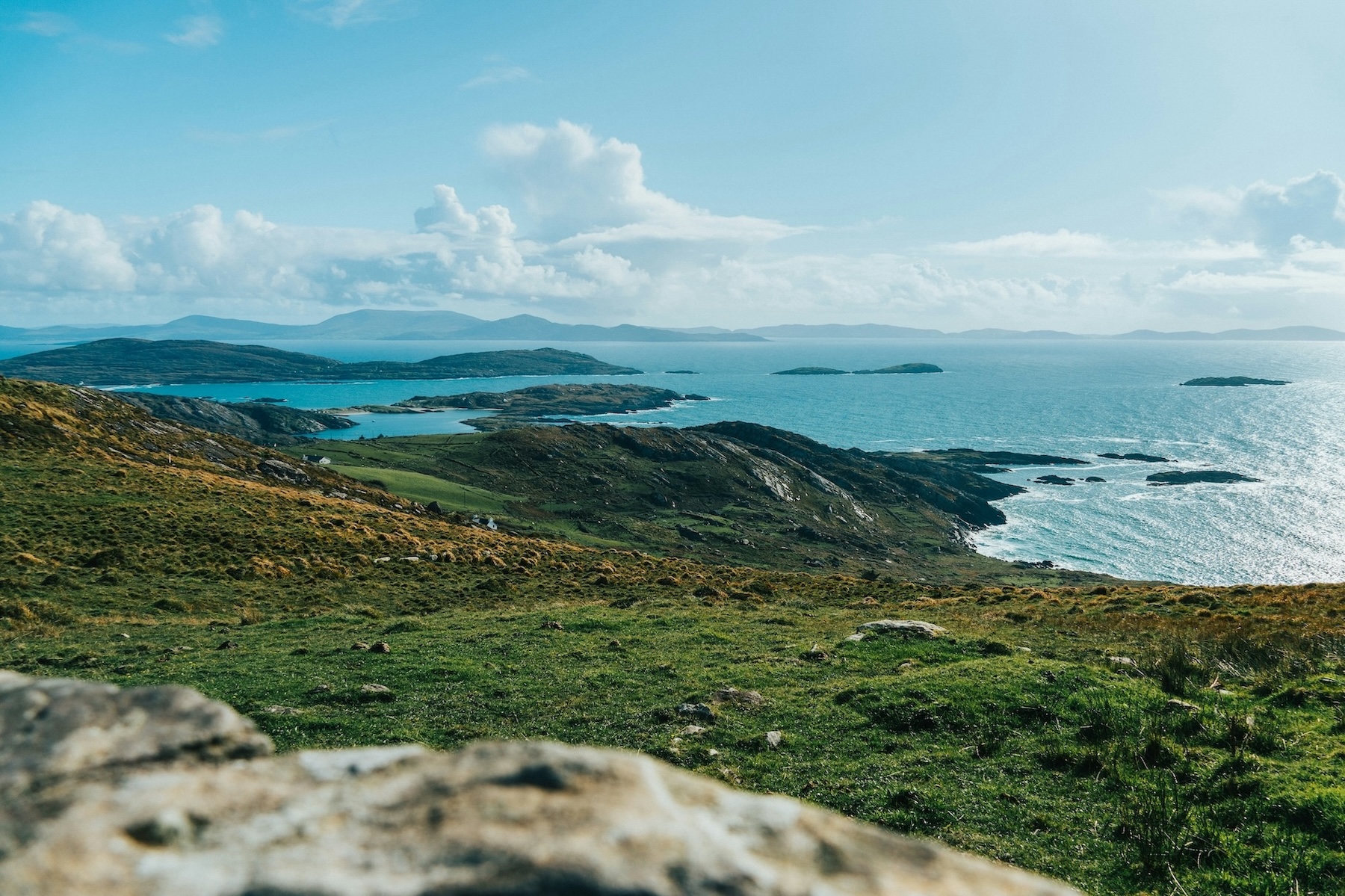
And then the road south. The drive into County Kerry does something that is difficult to describe accurately without risking sentiment: it simply changes. Not suddenly — there is no sign or summit that marks the crossing — but somewhere between Adare and the approach to Kenmare, the landscape sheds its domesticated character and becomes something else. The mountains of the Iveragh Peninsula press in from the north. The sky opens over Kenmare Bay. The green deepens and darkens and stops being an agricultural colour entirely. The Sheen River runs down from the Black Valley through the MacGillycuddy’s Reeks and arrives at the falls, and Sheen Falls Lodge is there to meet it.
Sheen Falls Lodge is a member of Relais & Châteaux. It holds two Michelin Keys, awarded at the inaugural 2024 ceremony and retained for 2025 — among the first cohort of Irish properties to receive the designation. The lodge itself is positioned as Ireland’s original five-star lodge. What the credentials collectively confirm is something the estate communicates long before any formal recognition is mentioned: there is a working seriousness here, a sense that the land and the river and the Kerry weather are not picturesque backdrops but active participants in what the property offers.
The Sheen River carries both salmon and brown trout through the estate. The lodge’s gillie service makes fishing available at whatever level of experience a guest brings to the riverbank — properly, without condescension to those who have not fished before, and without impatience toward those who have. This is not fishing as a decorative amenity. The river is a working river and the quarry is real, and the knowledge required to pursue it with any seriousness is supplied as a matter of course. The falconry programme is similarly grounded: raptors flown in the open Kerry landscape above the falls, Kenmare Bay visible on a clear morning as a broad silver-grey expanse behind the handler and the bird.
The falls themselves are the constant. Visible from the terrace where breakfast is served when the weather allows, they run year after year at different volumes and different speeds — in late summer at a pace that is almost meditative; in winter, after rain has come in off the Atlantic, at a different proposition altogether. The estate’s wine cellar holds over ten thousand bottles, assembled with the same working seriousness that characterises the rest of the lodge, and a knowledgeable sommelier can open it as a resource rather than a spectacle.
A private day visit to Muckross House in Killarney National Park makes the right use of proximity. Muckross, built in 1843 in the Tudor Revival manner, sits on the Muckross Peninsula, between Muckross Lake and Lough Leane — a position so deliberately composed that it appears, at certain angles, to have been conceived as a landscape painting before the first stone was laid. The house interior opens on guided daytime visits; the surrounding estate extends through the national park to the lakeshores, offering a quality of space that no urban experience, however curated, can replicate.
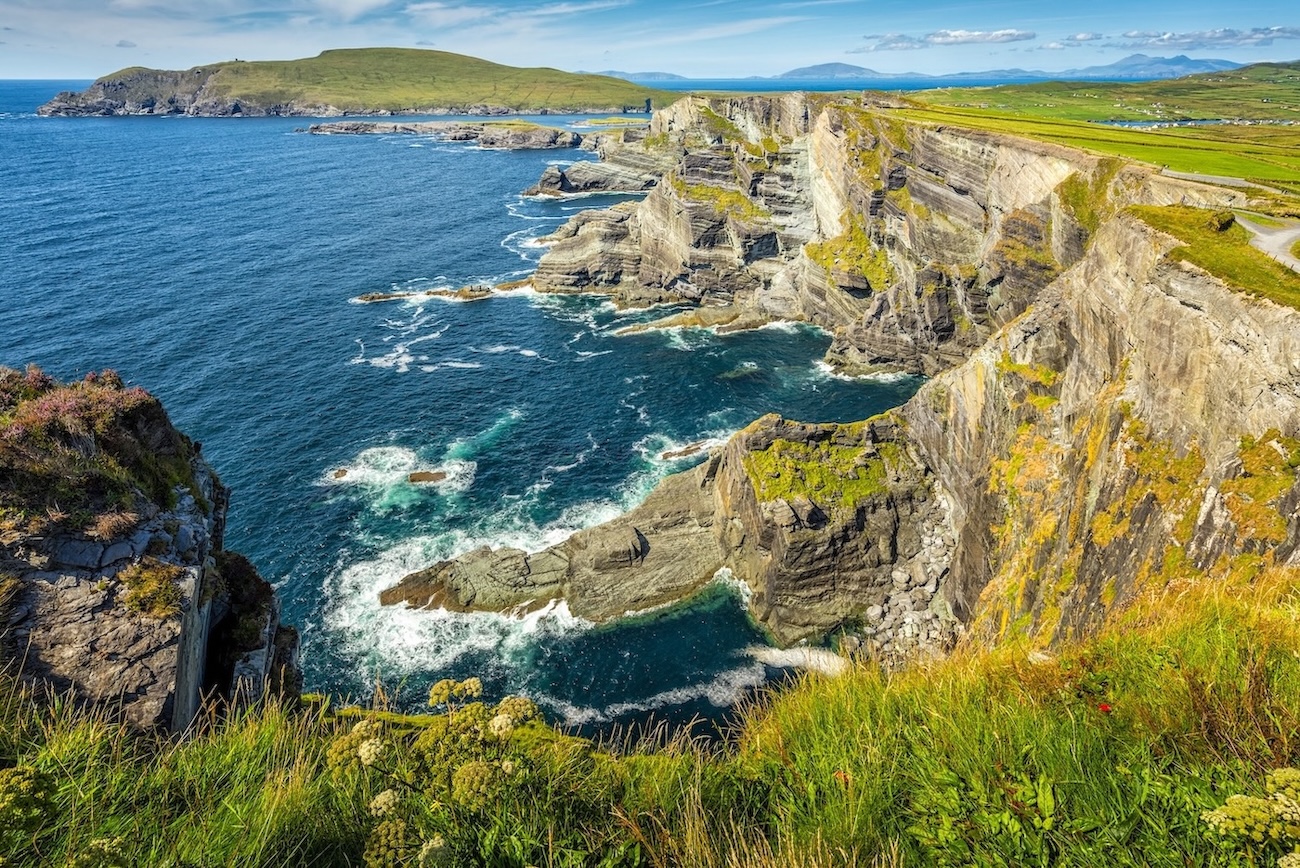
The Ring of Kerry extends the Kerry experience into its grander geographical register — coastal road, mountain pass, the arc of the peninsula out past Cahersiveen and back. The Dingle Peninsula is a different proposition: narrower, darker in its greens, the Conor Pass cutting dramatically across the mountainous interior of the peninsula with the Atlantic pressing in from the west. These are days that arrange themselves according to pace rather than programme.
That is, in the end, what this journey makes available: a sequence of places that each ask something different of the traveller, moving through composed London and civic Dublin and the Michelin-acknowledged grandeur of a Limerick estate toward a property where the river runs through the grounds year after year, and the mountains hold the weather, and the thing the place offers — ultimately — is not a curated experience but a particular quality of time. The falls are still audible from the terrace. The bay is still there on a clear morning. The gillie is already at the riverbank.
That is what the journey was always travelling toward.
Private by nature. Extraordinary by design.
What Guests Ask Most
What makes The Merrion in Dublin different from other five-star hotels in the city?
The Merrion is built across four Grade I Listed Georgian townhouses dating from the 1760s, one of which is traditionally identified as the birthplace of Arthur Wellesley, 1st Duke of Wellington. Its defining distinction is Lochlann Quinn’s private art collection — the largest private collection of 19th- and 20th-century Irish art in Ireland, with over a hundred museum-quality works by Paul Henry, Jack B. Yeats, Louis le Brocquy, Sir John Lavery, and others — displayed throughout the hotel as a living collection rather than a curated gallery.
Does Adare Manor have Michelin stars?
Adare Manor’s Oak Room restaurant holds one Michelin star, awarded in October 2019 — the only Michelin-starred restaurant in County Limerick. The manor estate holds three Michelin Keys — Michelin’s hotel-designation award, first conferred at the inaugural 2024 announcement and retained for 2025. These are distinct recognitions: the star is awarded to the restaurant, the Keys to the hotel as a whole experience.
What activities are available at Sheen Falls Lodge in Kerry?
Sheen Falls Lodge offers salmon and brown trout fishing on the Sheen River with gillie support, falconry on the open Kerry estate, clay pigeon shooting, archery, horseback riding, and access to the Easanna Spa. The wine cellar — over ten thousand bottles, among the largest private collections in Ireland — is available for sommelier-led tastings. Day visits to Muckross House in Killarney National Park, drives on the Ring of Kerry, and the Conor Pass route across the mountainous interior of the Dingle Peninsula extend the Kerry stay beyond the estate.




.jpg)





















-002.jpg)